Annual Report 2025

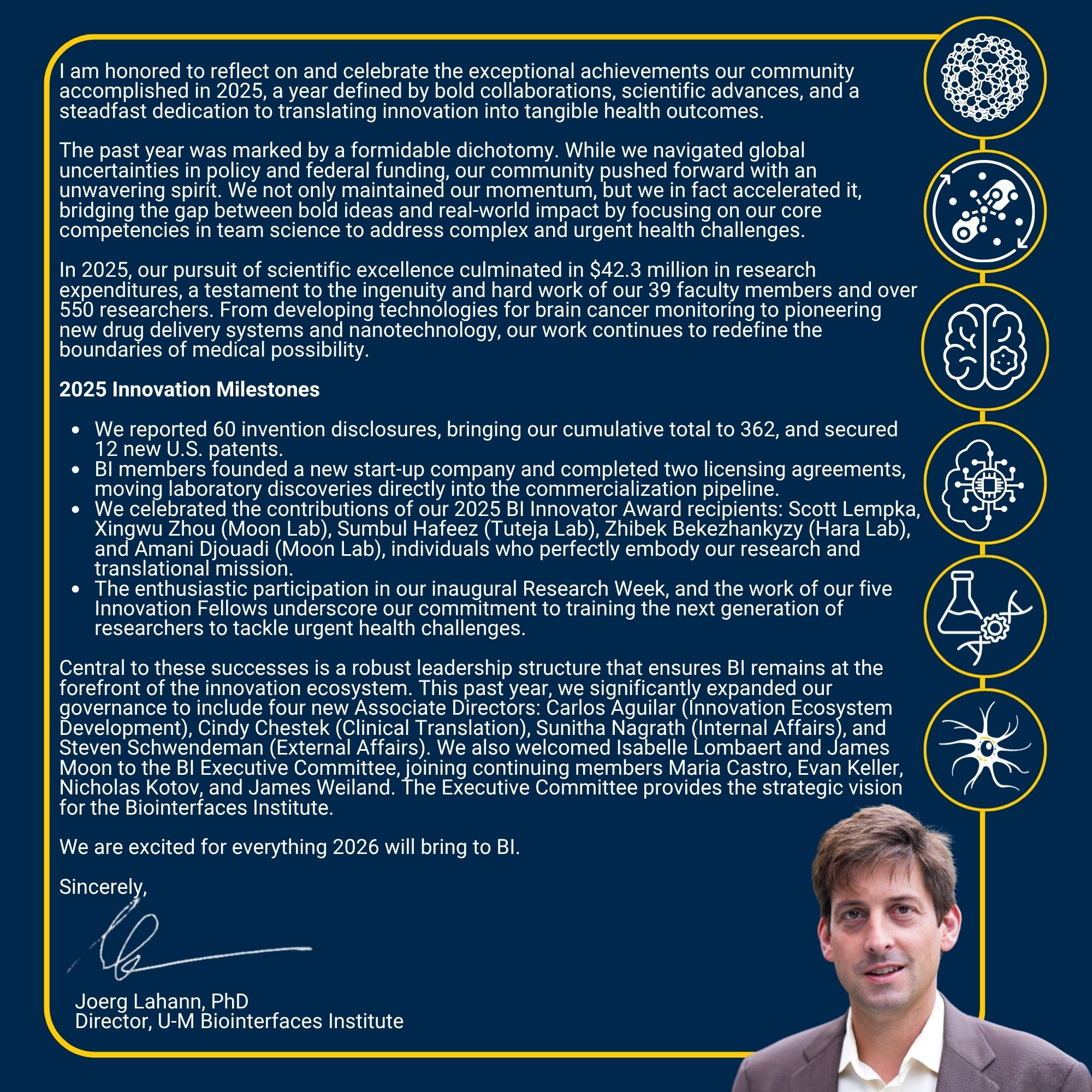
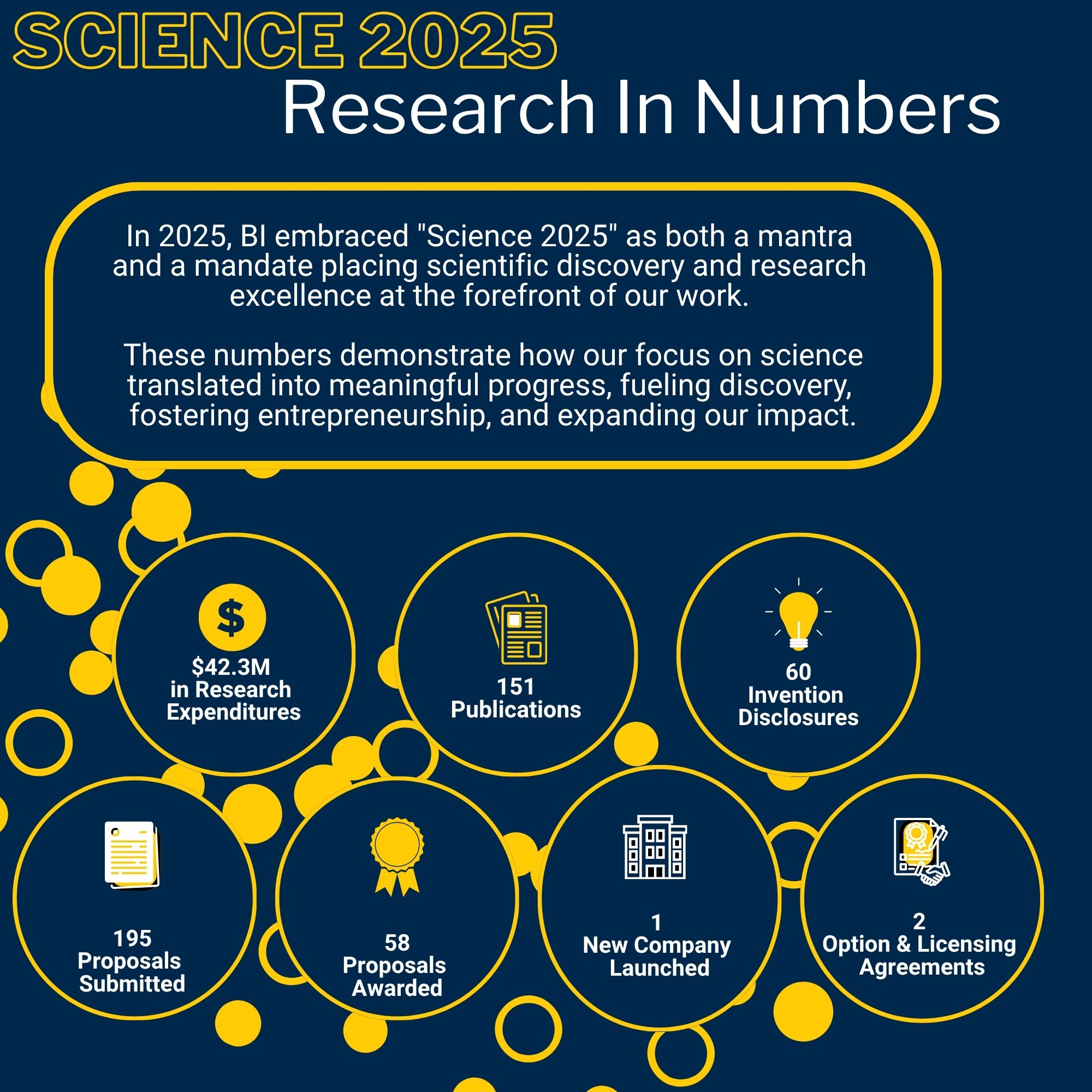
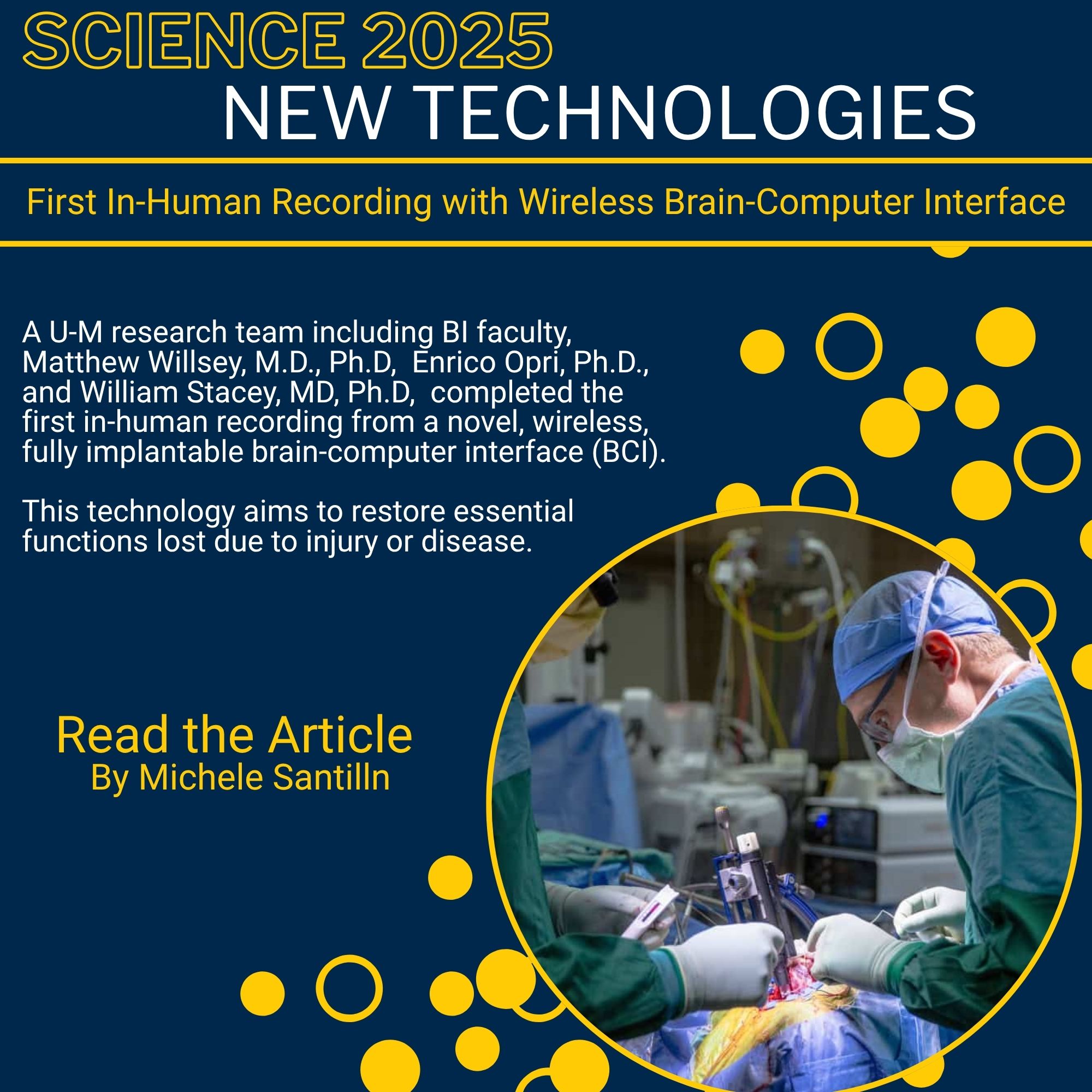
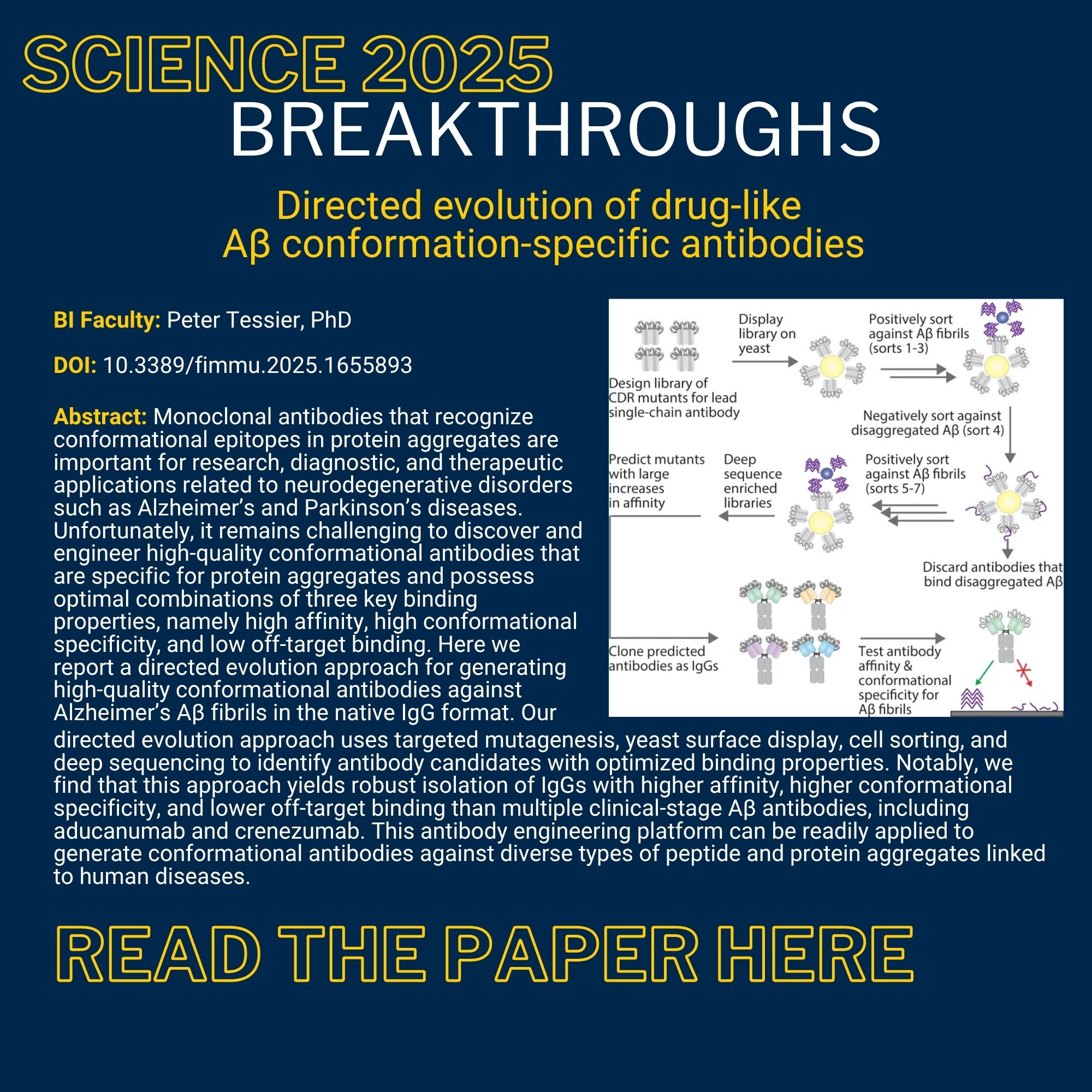
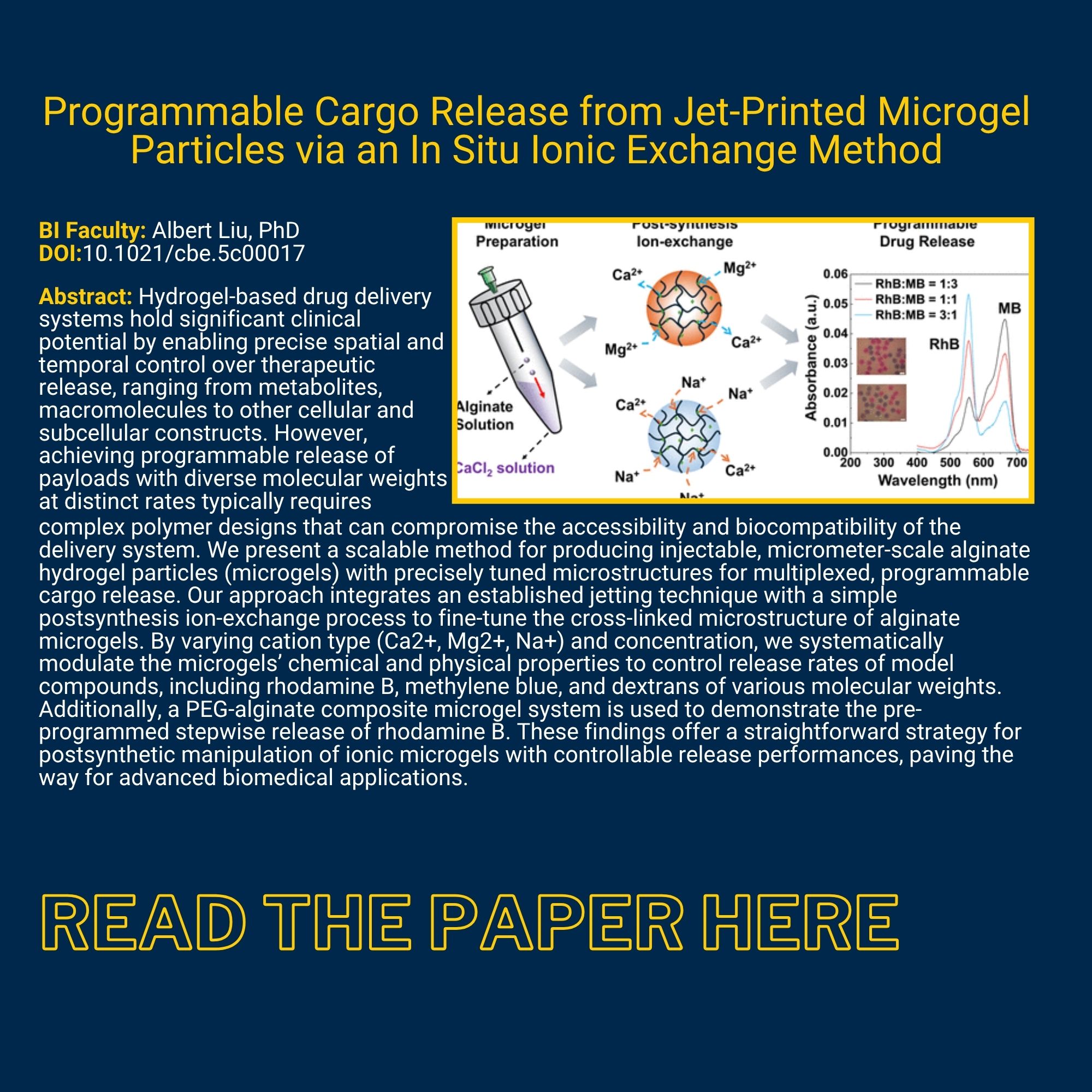
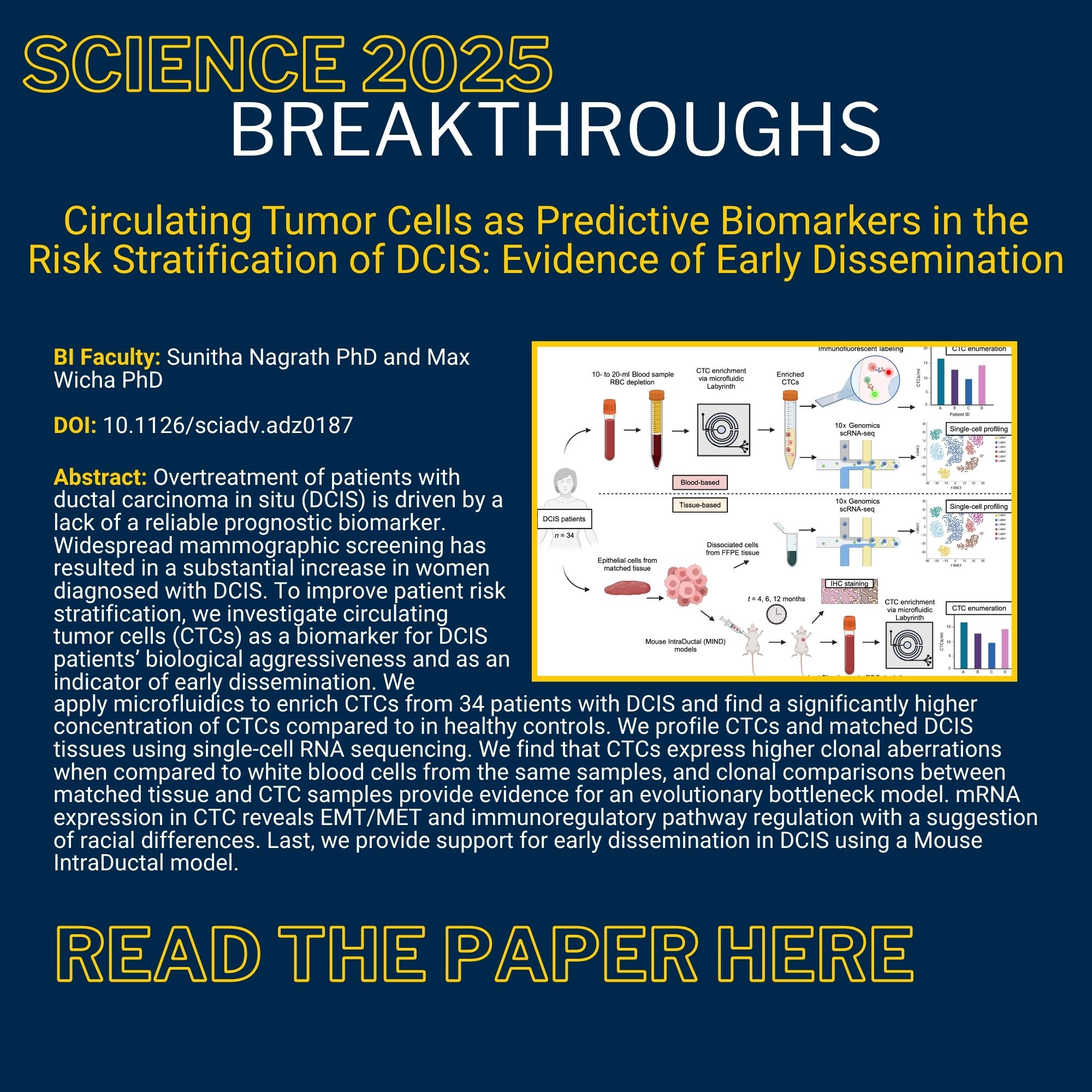
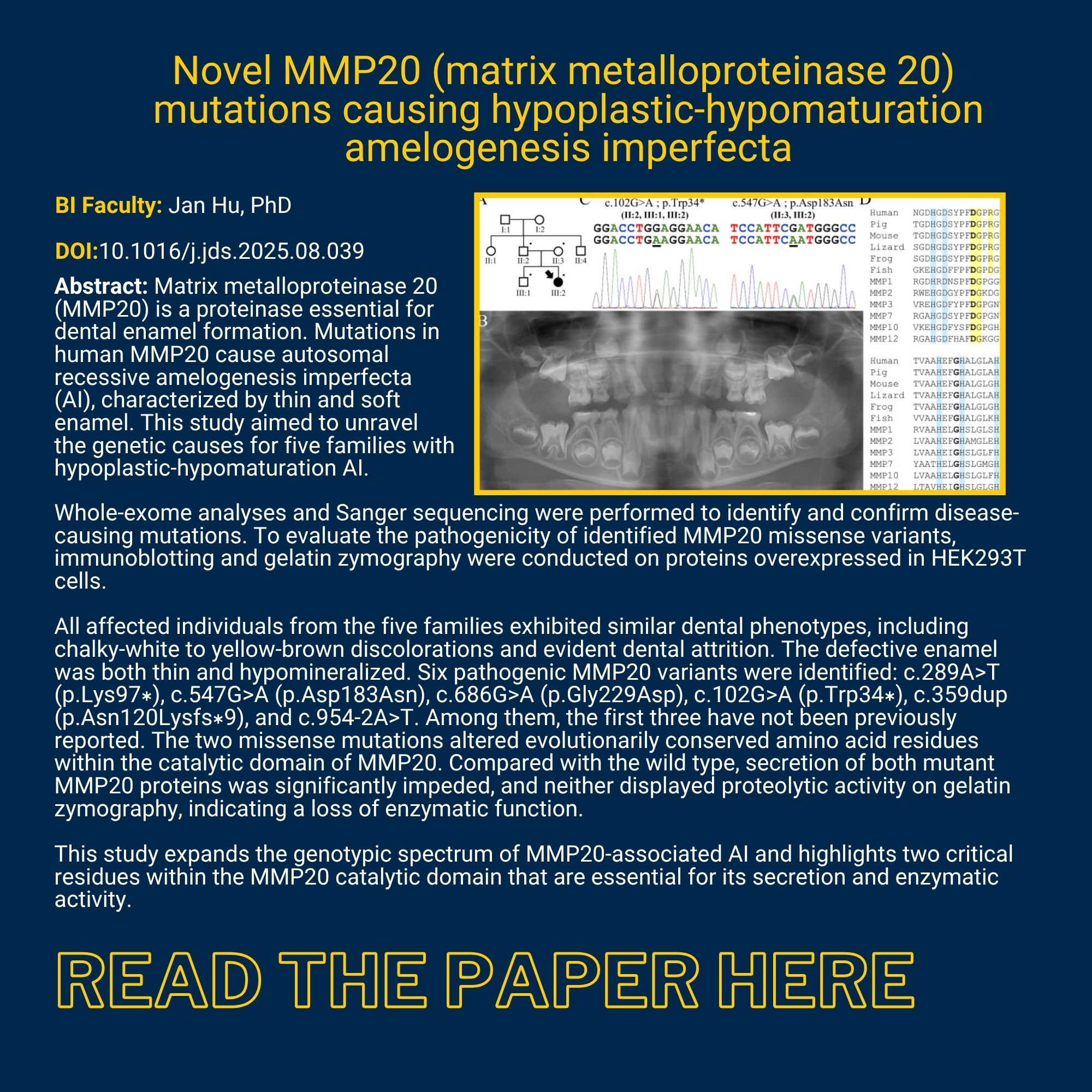
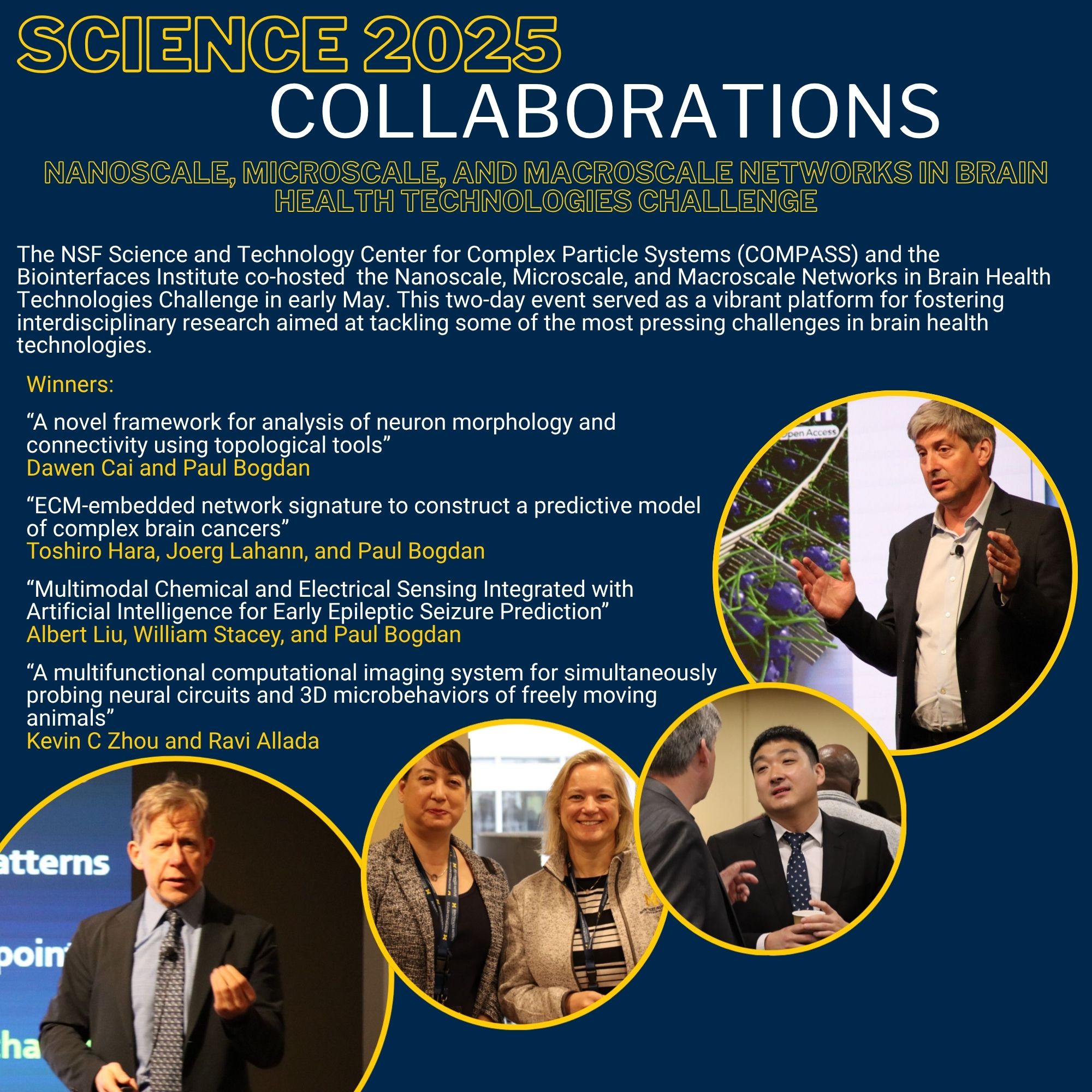
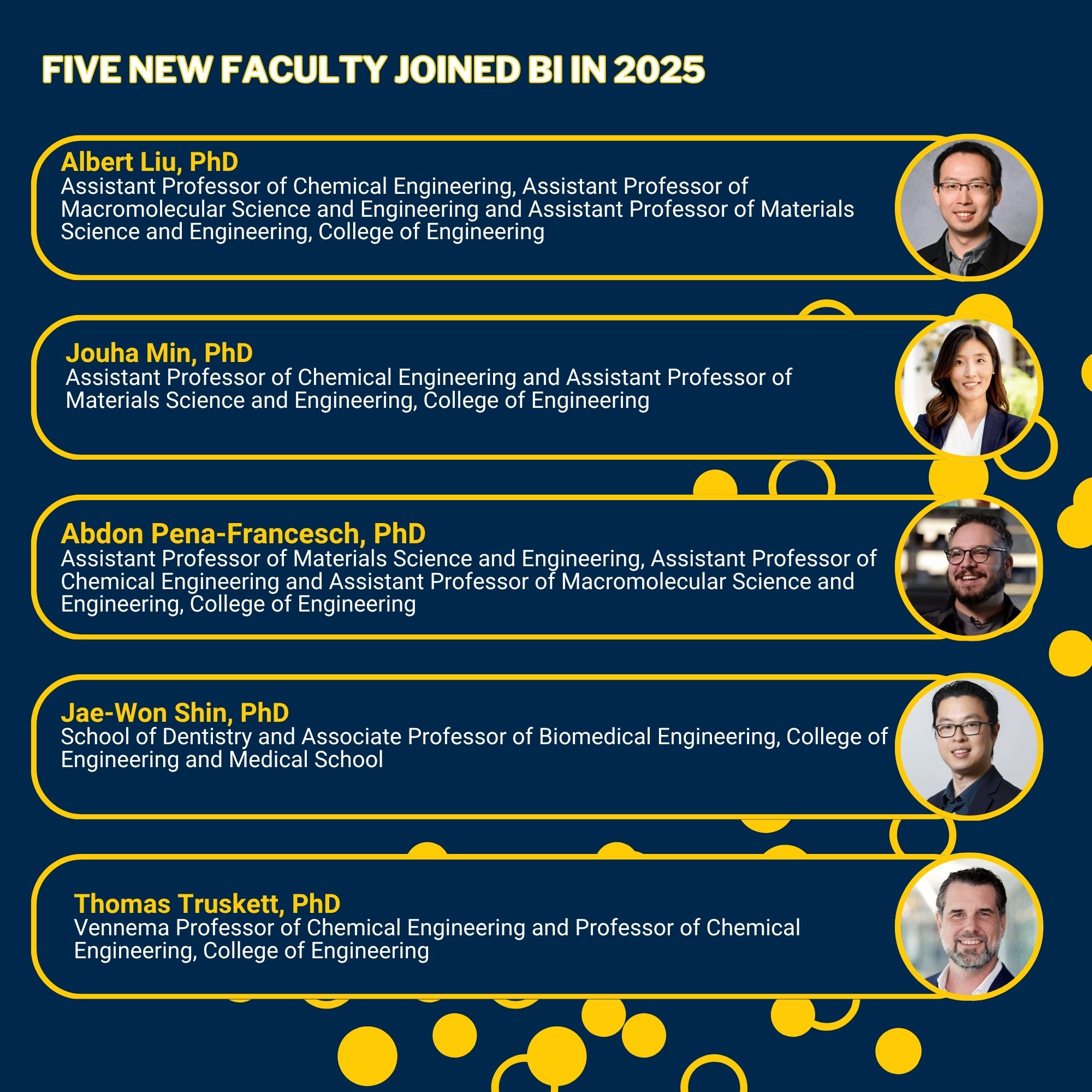
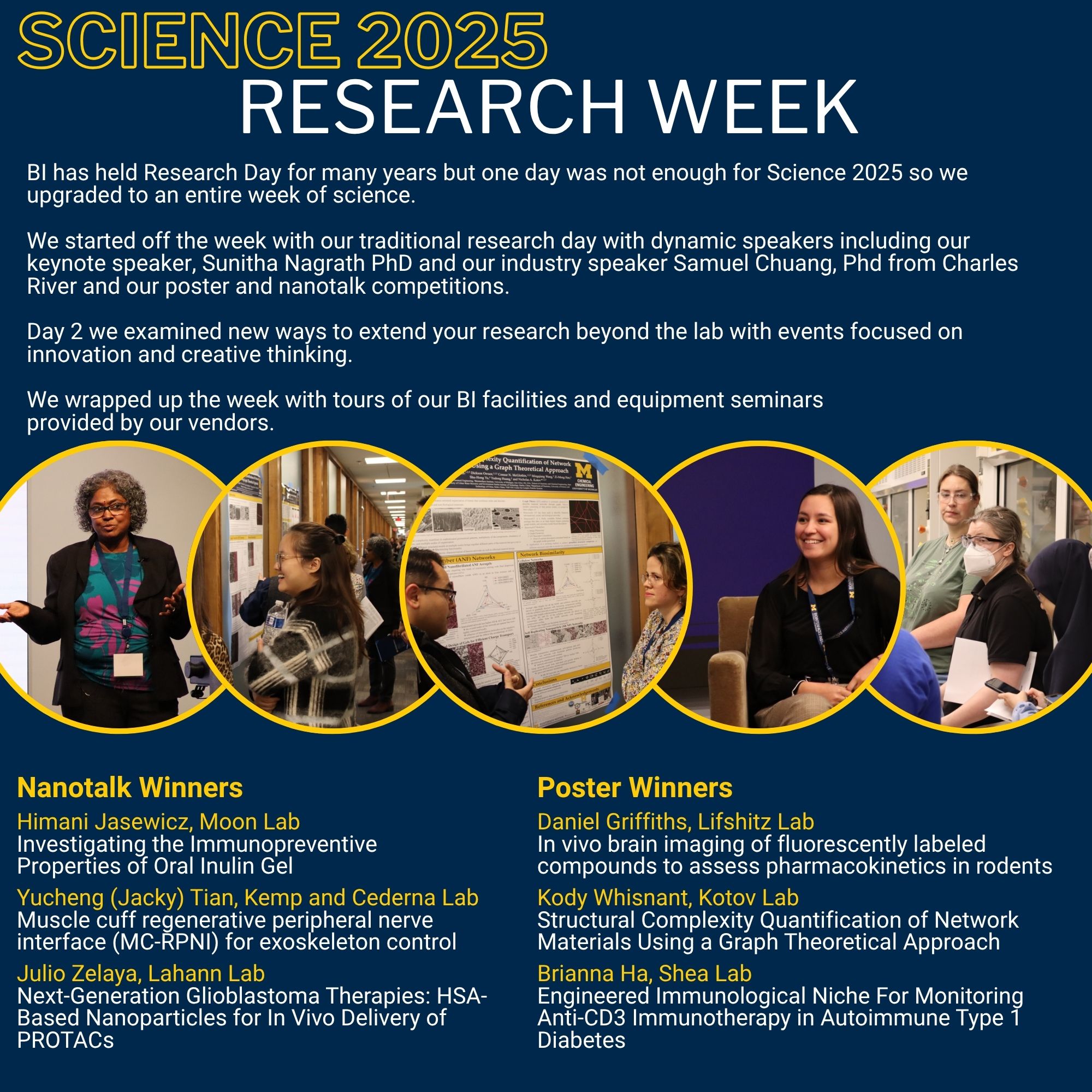
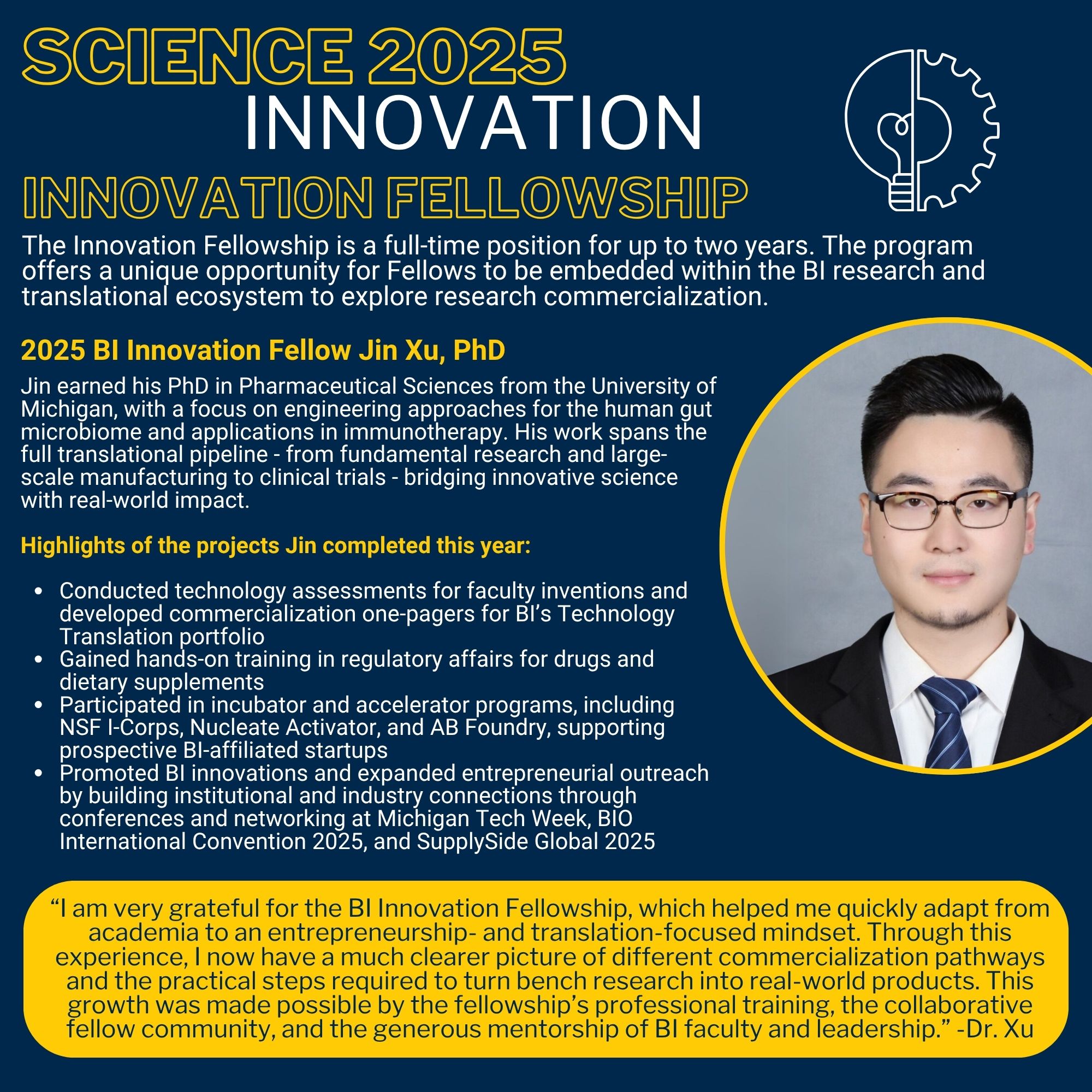
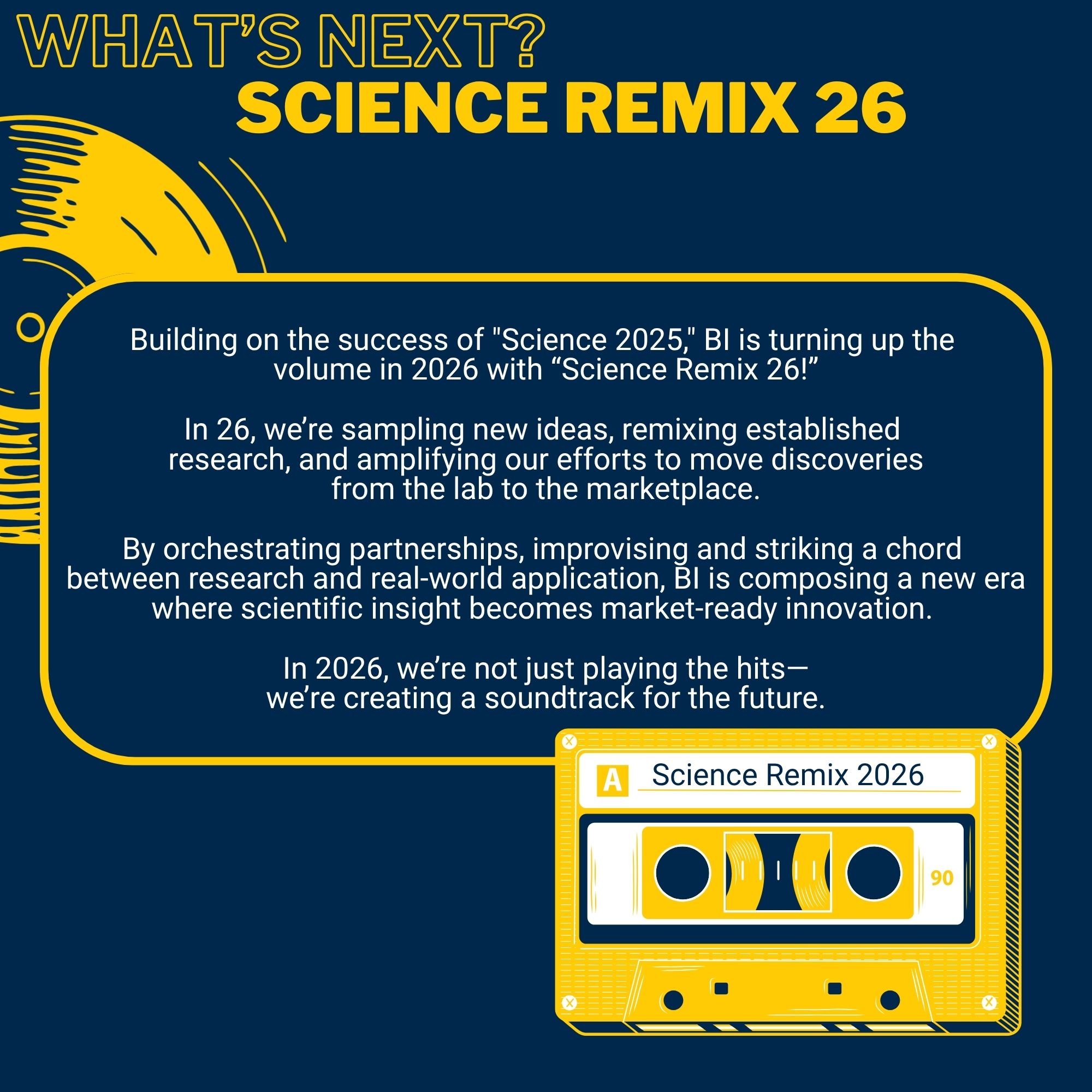
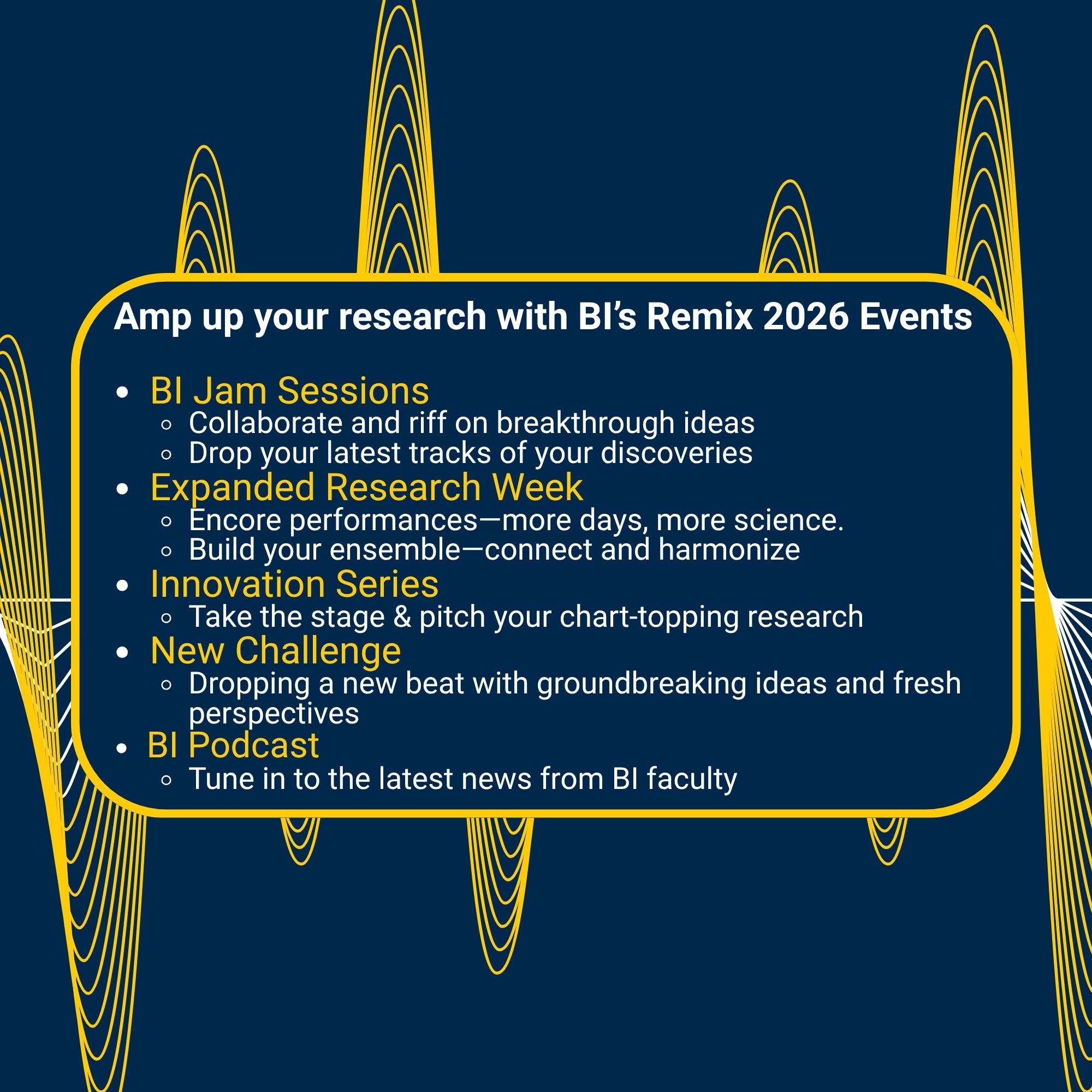
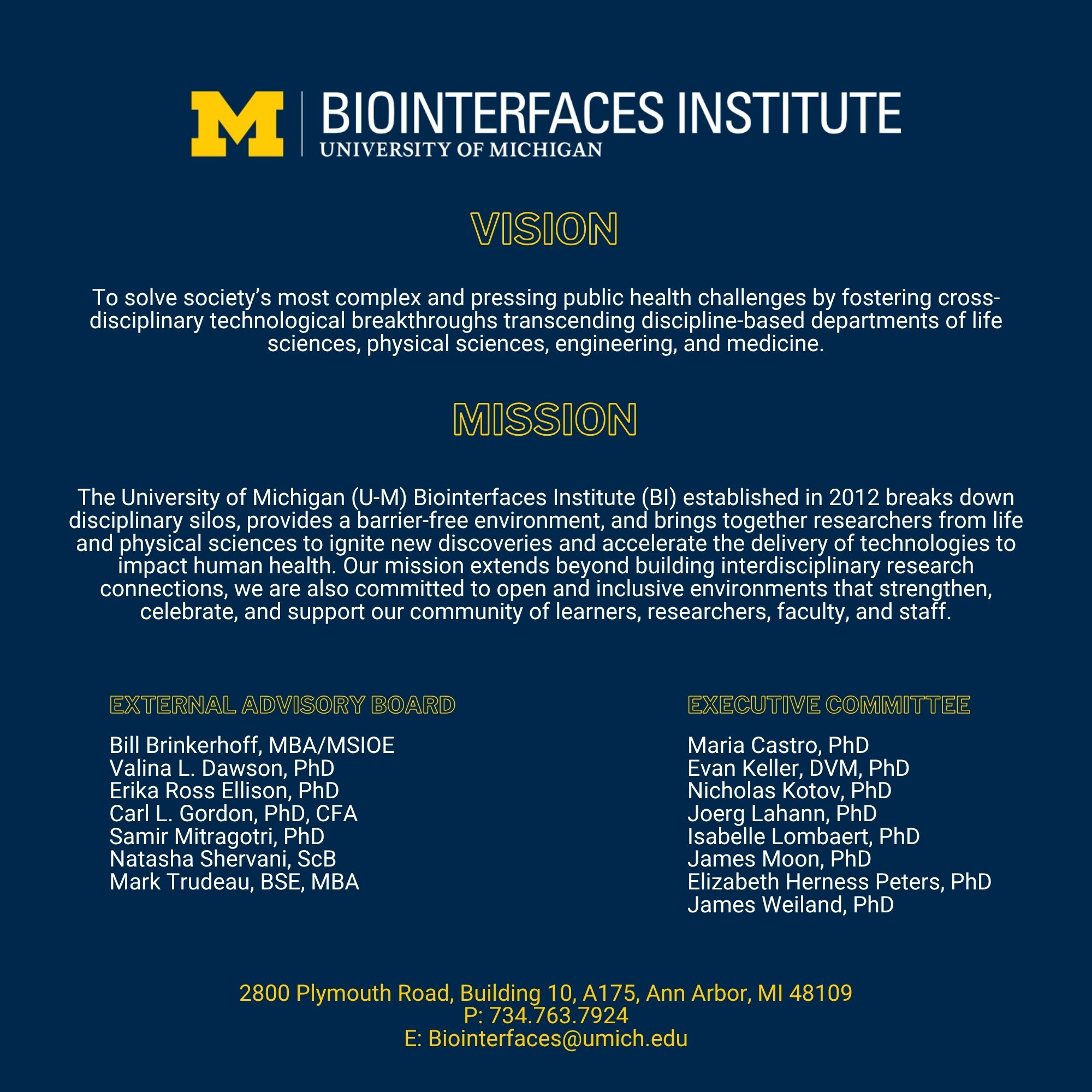
I am honored to reflect on and celebrate the exceptional achievements our community accomplished in 2025, a year defined by bold collaborations, scientific advances, and a steadfast dedication to translating innovation into tangible health outcomes. The past year was marked by a formidable dichotomy. While we navigated global uncertainties in policy and federal funding, our community pushed forward with an unwavering spirit. We not only maintained our momentum, but we in fact accelerated it, bridging the gap between bold ideas and real-world impact by focusing on our core competencies in team science to address complex and urgent health challenges. In 2025, our pursuit of scientific excellence culminated in $42.3 million in research expenditures, a testament to the ingenuity and hard work of our 39 faculty members and over 550 researchers. From developing technologies for brain cancer monitoring to pioneering new drug delivery systems and nanotechnology, our work continues to redefine the boundaries of medical possibility. 2025 Innovation Milestones We reported 60 invention disclosures, bringing our cumulative total to 362, and secured 12 new U.S. patents. BI members founded a new start-up company and completed two licensing agreements, moving laboratory discoveries directly into the commercialization pipeline. We celebrated the contributions of our 2025 BI Innovator Award recipients: Scott Lempka, Xingwu Zhou (Moon Lab), Sumbul Hafeez (Tuteja Lab), Zhibek Bekezhankyzy (Hara Lab), and Amani Djouadi (Moon Lab), individuals who perfectly embody our research and translational mission. The enthusiastic participation in our inaugural Research Week, and the work of our five Innovation Fellows underscore our commitment to training the next generation of researchers to tackle urgent health challenges. Central to these successes is a robust leadership structure that ensures BI remains at the forefront of the innovation ecosystem. This past year, we significantly expanded our governance to include four new Associate Directors: Carlos Aguilar (Innovation Ecosystem Development), Cindy Chestek (Clinical Translation), Sunitha Nagrath (Internal Affairs), and Steven Schwendeman (External Affairs). We also welcomed Isabelle Lombaert and James Moon to the BI Executive Committee, joining continuing members Maria Castro, Evan Keller, Nicholas Kotov, and James Weiland. The Executive Committee provides the strategic vision for the Biointerfaces Institute. We are excited for everything 2026 will bring to BI. Sincerely, Joerg Lahann, PhD Director U-M Biointerfaces Institute Science 2025 Research In Numbers In 2025, BI embraced "Science 2025" as both a mantra and a mandate placing scientific discovery and research excellence at the forefront of our work. These numbers demonstrate how our focus on science translated into meaningful progress, fueling discovery, fostering entrepreneurship, and expanding our impact. $42.3M in Research Expenditures 151 Publications 60 Invention Disclosures 195 Proposals Submitted 58 Proposals Awarded 1 New Company Launched 2 Option & Licensing Agreements Science 2025 New Technologies First in-human recording with wireless brain computer interface A U-M research team including BI faculty, Matthew Willsey, M.D., Ph.D, Enrico Opri, Ph.D., and William Stacey, MD, Ph.D, completed the first in-human recording from a novel, wireless, fully implantable brain-computer interface (BCI). This technology aims to restore essential functions lost due to injury or disease. Also photo of the surgery. Science 2025 Breakthroughs Directed evolution of drug-like Aβ conformation-specific antibodies BI Faculty: Peter Tessier, PhD DOI: 10.3389/fimmu.2025.1655893 Abstract: Monoclonal antibodies that recognize conformational epitopes in protein aggregates are important for research, diagnostic, and therapeutic applications related to neurodegenerative disorders such as Alzheimer’s and Parkinson’s diseases. Unfortunately, it remains challenging to discover and engineer high-quality conformational antibodies that are specific for protein aggregates and possess optimal combinations of three key binding properties, namely high affinity, high conformational specificity, and low off-target binding. Here we report a directed evolution approach for generating high-quality conformational antibodies against Alzheimer’s Aβ fibrils in the native IgG format. Our directed evolution approach uses targeted mutagenesis, yeast surface display, cell sorting, and deep sequencing to identify antibody candidates with optimized binding properties. Notably, we find that this approach yields robust isolation of IgGs with higher affinity, higher conformational specificity, and lower off-target binding than multiple clinical-stage Aβ antibodies, including aducanumab and crenezumab. This antibody engineering platform can be readily applied to generate conformational antibodies against diverse types of peptide and protein aggregates linked to human diseases. Programmable Cargo Release from Jet-Printed Microgel Particles via an In Situ Ionic Exchange Method BI Faculty: Albert Liu, PhD DOI:10.1021/cbe.5c00017 Abstract: Hydrogel-based drug delivery systems hold significant clinical potential by enabling precise spatial and temporal control over therapeutic release, ranging from metabolites, macromolecules to other cellular and subcellular constructs. However, achieving programmable release of payloads with diverse molecular weights at distinct rates typically requires complex polymer designs that can compromise the accessibility and biocompatibility of the delivery system. We present a scalable method for producing injectable, micrometer-scale alginate hydrogel particles (microgels) with precisely tuned microstructures for multiplexed, programmable cargo release. Our approach integrates an established jetting technique with a simple postsynthesis ion-exchange process to fine-tune the cross-linked microstructure of alginate microgels. By varying cation type (Ca2+, Mg2+, Na+) and concentration, we systematically modulate the microgels’ chemical and physical properties to control release rates of model compounds, including rhodamine B, methylene blue, and dextrans of various molecular weights. Additionally, a PEG-alginate composite microgel system is used to demonstrate the pre-programmed stepwise release of rhodamine B. These findings offer a straightforward strategy for postsynthetic manipulation of ionic microgels with controllable release performances, paving the way for advanced biomedical applications. Science Breakthroughs Circulating Tumor Cells as Predictive Biomarkers in the Risk Stratification of DCIS: Evidence of Early Dissemination BI Faculty: Sunitha Nagrath PhD and Max Wicha PhD DOI: 10.1126/sciadv.adz0187 Abstract: Overtreatment of patients with ductal carcinoma in situ (DCIS) is driven by a lack of a reliable prognostic biomarker. Widespread mammographic screening has resulted in a substantial increase in women diagnosed with DCIS. To improve patient risk stratification, we investigate circulating tumor cells (CTCs) as a biomarker for DCIS patients’ biological aggressiveness and as an indicator of early dissemination. We apply microfluidics to enrich CTCs from 34 patients with DCIS and find a significantly higher concentration of CTCs compared to in healthy controls. We profile CTCs and matched DCIS tissues using single-cell RNA sequencing. We find that CTCs express higher clonal aberrations when compared to white blood cells from the same samples, and clonal comparisons between matched tissue and CTC samples provide evidence for an evolutionary bottleneck model. mRNA expression in CTC reveals EMT/MET and immunoregulatory pathway regulation with a suggestion of racial differences. Last, we provide support for early dissemination in DCIS using a Mouse IntraDuctal model. Novel MMP20 (matrix metalloproteinase 20) mutations causing hypoplastic-hypomaturation amelogenesis imperfecta BI Faculty: Jan Hu, PhD DOI:10.1016/j.jds.2025.08.039 bstract: Matrix metalloproteinase 20 (MMP20) is a proteinase essential for dental enamel formation. Mutations in human MMP20 cause autosomal recessive amelogenesis imperfecta (AI), characterized by thin and soft enamel. This study aimed to unravel the genetic causes for five families with hypoplastic-hypomaturation AI. Whole-exome analyses and Sanger sequencing were performed to identify and confirm disease-causing mutations. To evaluate the pathogenicity of identified MMP20 missense variants, immunoblotting and gelatin zymography were conducted on proteins overexpressed in HEK293T cells. All affected individuals from the five families exhibited similar dental phenotypes, including chalky-white to yellow-brown discolorations and evident dental attrition. The defective enamel was both thin and hypomineralized. Six pathogenic MMP20 variants were identified: c.289A>T (p.Lys97∗), c.547G>A (p.Asp183Asn), c.686G>A (p.Gly229Asp), c.102G>A (p.Trp34∗), c.359dup (p.Asn120Lysfs∗9), and c.954-2A>T. Among them, the first three have not been previously reported. The two missense mutations altered evolutionarily conserved amino acid residues within the catalytic domain of MMP20. Compared with the wild type, secretion of both mutant MMP20 proteins was significantly impeded, and neither displayed proteolytic activity on gelatin zymography, indicating a loss of enzymatic function. This study expands the genotypic spectrum of MMP20-associated AI and highlights two critical residues within the MMP20 catalytic domain that are essential for its secretion and enzymatic activity. Science 2025 Collaborations Nanoscale, Microscale, and Macroscale Networks in Brain Health Technologies Challenge The NSF Science and Technology Center for Complex Particle Systems (COMPASS) and the Biointerfaces Institute co-hosted the Nanoscale, Microscale, and Macroscale Networks in Brain Health Technologies Challenge in early May. This two-day event served as a vibrant platform for fostering interdisciplinary research aimed at tackling some of the most pressing challenges in brain health technologies. Winners: “A novel framework for analysis of neuron morphology and connectivity using topological tools” Dawen Cai and Paul Bogdan “ECM-embedded network signature to construct a predictive model of complex brain cancers” Toshiro Hara, Joerg Lahann, and Paul Bogdan “Multimodal Chemical and Electrical Sensing Integrated with Artificial Intelligence for Early Epileptic Seizure Prediction” Albert Liu, William Stacey, and Paul Bogdan “A multifunctional computational imaging system for simultaneously probing neural circuits and 3D microbehaviors of freely moving animals” Kevin C Zhou and Ravi Allada four pictures of people at the event Five New Faculty joined BI in 2025 Albert Liu, PhD Assistant Professor of Chemical Engineering, Assistant Professor of Macromolecular Science and Engineering and Assistant Professor of Materials Science and Engineering, College of Engineering Photo of Dr. Liu Jouha Min, PhD Assistant Professor of Chemical Engineering and Assistant Professor of Materials Science and Engineering, College of Engineering Photo of Dr. Min Abdon Pena-Francesch, PhD Assistant Professor of Materials Science and Engineering, Assistant Professor of Chemical Engineering and Assistant Professor of Macromolecular Science and Engineering, College of Engineering Photo of Dr. Pena-Francesch Jae-Won Shin, PhD School of Dentistry and Associate Professor of Biomedical Engineering, College of Engineering and Medical School Photo of Dr. Shin Thomas Truskett, PhD Vennema Professor of Chemical Engineering and Professor of Chemical Engineering, College of Engineering Photo of Dr. Truskett Science 2025 Research Week BI has held Research Day for many years but one day was not enough for Science 2025 so we upgraded to an entire week of science. We started off the week with our traditional research day with dynamic speakers including our keynote speaker, Sunitha Nagrath PhD and our industry speaker Samuel Chuang, Phd from Charles River and our poster and nanotalk competitions. Day 2 we examined new ways to extend your research beyond the lab with events focused on innovation and creative thinking. We wrapped up the week with tours of our BI facilities and equipment seminars provided by our vendors. Nanotalk Winners Himani Jasewicz, Moon Lab Investigating the Immunopreventive Properties of Oral Inulin Gel Yucheng (Jacky) Tian, Kemp and Cederna Lab Muscle cuff regenerative peripheral nerve interface (MC-RPNI) for exoskeleton control Julio Zelaya, Lahann Lab Next-Generation Glioblastoma Therapies: HSA-Based Nanoparticles for In Vivo Delivery of PROTACs Poster Winners Daniel Griffiths, Lifshitz Lab In vivo brain imaging of fluorescently labeled compounds to assess pharmacokinetics in rodents Kody Whisnant, Kotov Lab Structural Complexity Quantification of Network Materials Using a Graph Theoretical Approach Brianna Ha, Shea Lab Engineered Immunological Niche For Monitoring Anti-CD3 Immunotherapy in Autoimmune Type 1 Diabetes Five photos from the event Science 2025 Innovation Innovation Fellowship The Innovation Fellowship is a full-time position for up to two years. The program offers a unique opportunity for Fellows to be embedded within the BI research and translational ecosystem to explore research commercialization. 2025 BI Innovation Fellow Jin Xu, PhD Jin earned his PhD in Pharmaceutical Sciences from the University of Michigan, with a focus on engineering approaches for the human gut microbiome and applications in immunotherapy. His work spans the full translational pipeline - from fundamental research and large-scale manufacturing to clinical trials - bridging innovative science with real-world impact. Highlights of the projects Jin completed this year: Conducted technology assessments for faculty inventions and developed commercialization one-pagers for BI’s Technology Translation portfolio Gained hands-on training in regulatory affairs for drugs and dietary supplements Participated in incubator and accelerator programs, including NSF I-Corps, Nucleate Activator, and AB Foundry, supporting prospective BI-affiliated startups Promoted BI innovations and expanded entrepreneurial outreach by building institutional and industry connections through conferences and networking at Michigan Tech Week, BIO International Convention 2025, and SupplySide Global 2025 “I am very grateful for the BI Innovation Fellowship, which helped me quickly adapt from academia to an entrepreneurship- and translation-focused mindset. Through this experience, I now have a much clearer picture of different commercialization pathways and the practical steps required to turn bench research into real-world products. This growth was made possible by the fellowship’s professional training, the collaborative fellow community, and the generous mentorship of BI faculty and leadership.” -Dr. Xu Photo of Dr. Xu What's Next? Science Remix 26 Building on the success of "Science 2025," BI is turning up the volume in 2026 with “Science Remix 26!” In 26, we’re sampling new ideas, remixing established research, and amplifying our efforts to move discoveries from the lab to the marketplace. By orchestrating partnerships, improvising and striking a chord between research and real-world application, BI is composing a new era where scientific insight becomes market-ready innovation. In 2026, we’re not just playing the hits—we’re creating a soundtrack for the future. Image of mixed tape with words science remix 2026 Amp up your research with BI’s Remix 2026 Events BI Jam Sessions Collaborate and riff on breakthrough ideas Drop your latest tracks of your discoveries Expanded Research Week Encore performances—more days, more science. Build your ensemble—connect and harmonize Innovation Series Take the stage & pitch your chart-topping research New Challenge Dropping a new beat with groundbreaking ideas and fresh perspectives BI Podcast Tune in to the latest news from BI faculty BI Logo Vision: To solve society’s most complex and pressing public health challenges by fostering cross-disciplinary technological breakthroughs transcending discipline-based departments of life sciences, physical sciences, engineering, and medicine. Mission: The University of Michigan (U-M) Biointerfaces Institute (BI) established in 2012 breaks down disciplinary silos, provides a barrier-free environment, and brings together researchers from life and physical sciences to ignite new discoveries and accelerate the delivery of technologies to impact human health. Our mission extends beyond building interdisciplinary research connections, we are also committed to open and inclusive environments that strengthen, celebrate, and support our community of learners, researchers, faculty, and staff. External Advisory Board: Bill Brinkerhoff, MBA/MSIOE Valina L. Dawson, PhD Erika Ross Ellison, PhD Carl L. Gordon, PhD, CFA Samir Mitragotri, PhD Natasha Shervani, ScB Mark Trudeau, BSE, MBA Executive Committee: Maria Castro, PhD Evan Keller, DVM, PhD Nicholas Kotov, PhD Joerg Lahann, PhD Isabelle Lombaert, PhD James Moon, PhD Elizabeth Herness Peters, PhD James Weiland, PhD 2800 Plymouth Road, Building 10, A175, Ann Arbor, MI 48109 P: 734.763.7924 E: Biointerfaces@umich.edu

Print the Report Here

2025 Annual Report