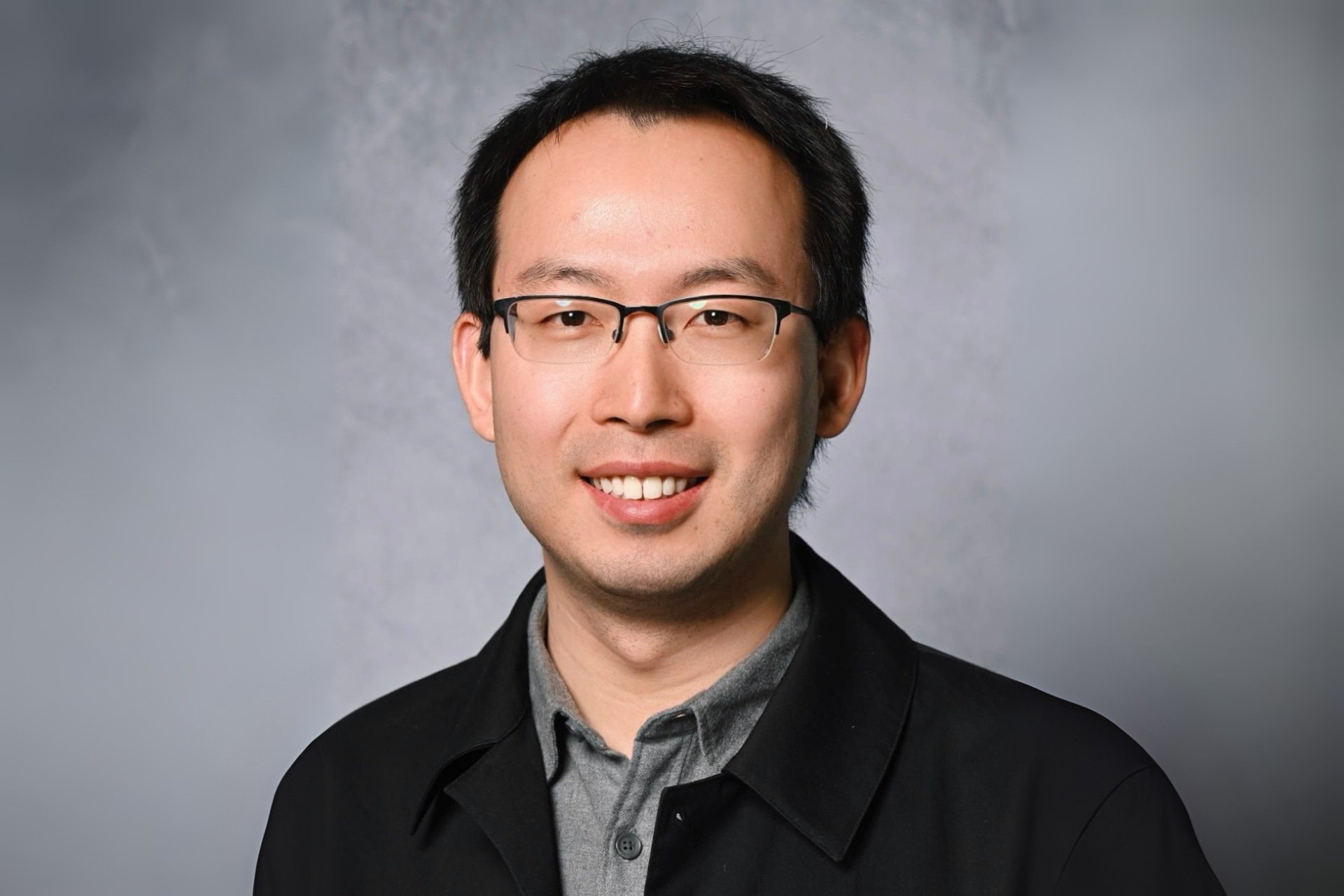
Dr. Albert Liu Selected for the Bold Challenges Boost Program
October 9, 2026Dr. Albert Liu and other University of Michigan College of Engineering researchers have been selected for the 2026-27 Bold Challenges Boost program. Their project, titled “Synthetic Mycelial Networks for Distributed Communication in Artificial Materials,” will receive $75,000 in seed funding.
Learn More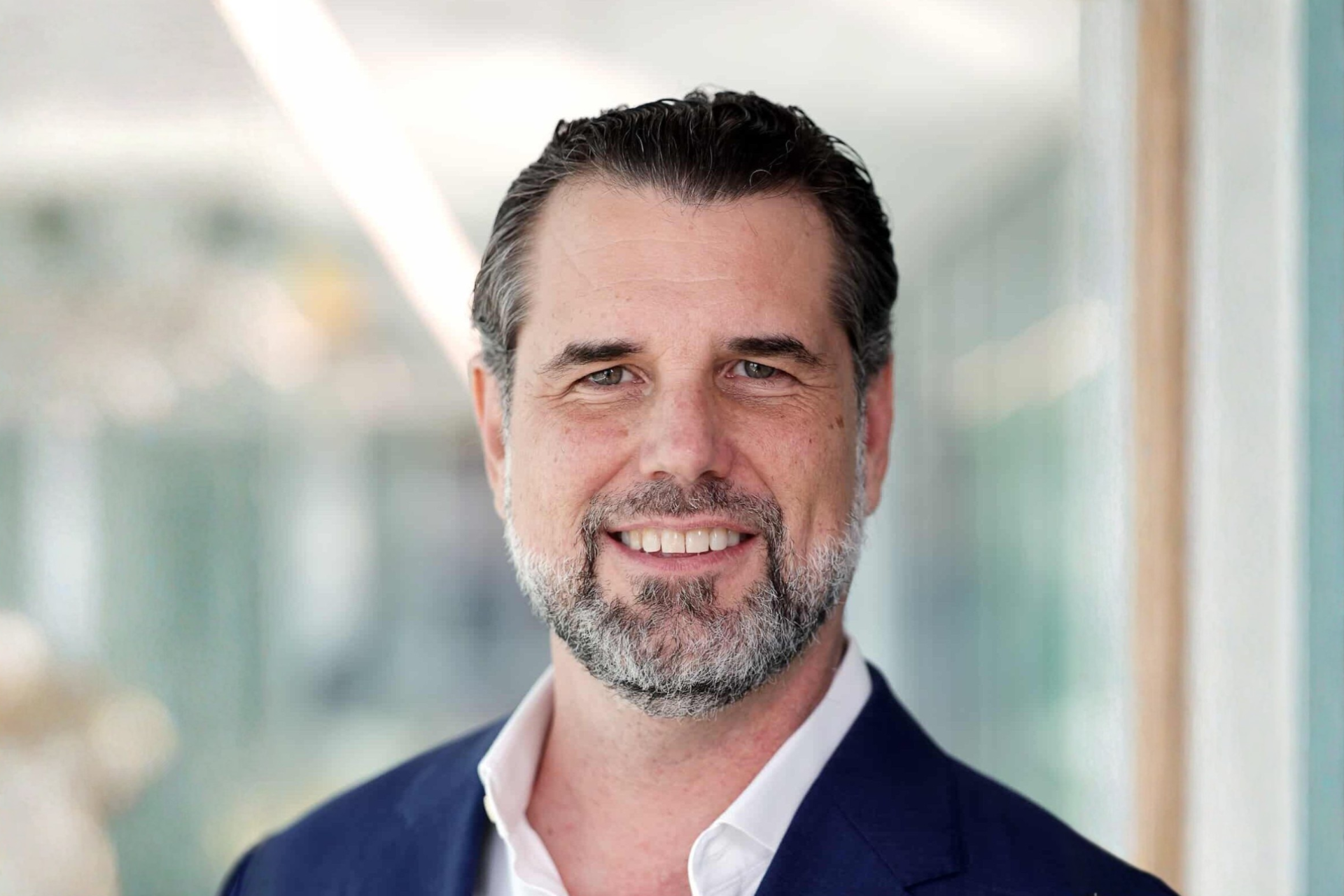
Thomas Truskett Elected AIChE Fellow
October 7, 2026Dr. Thomas Truskett has been elected a Fellow of the American Institute of Chemical Engineers (AIChE), one of the organization’s highest honors that recognizes AIChE members who have made significant professional accomplishments and contributions to chemical engineering.
Read Story
2026 Distinguished Faculty Mentor Award
September 28, 2026Congratulations to Professor Abdon Pena-Francesch on being named a 2026 Distinguished Faculty Mentor Award winner! This award recognizes exceptional support of research fellows across the University of Michigan.
Read Story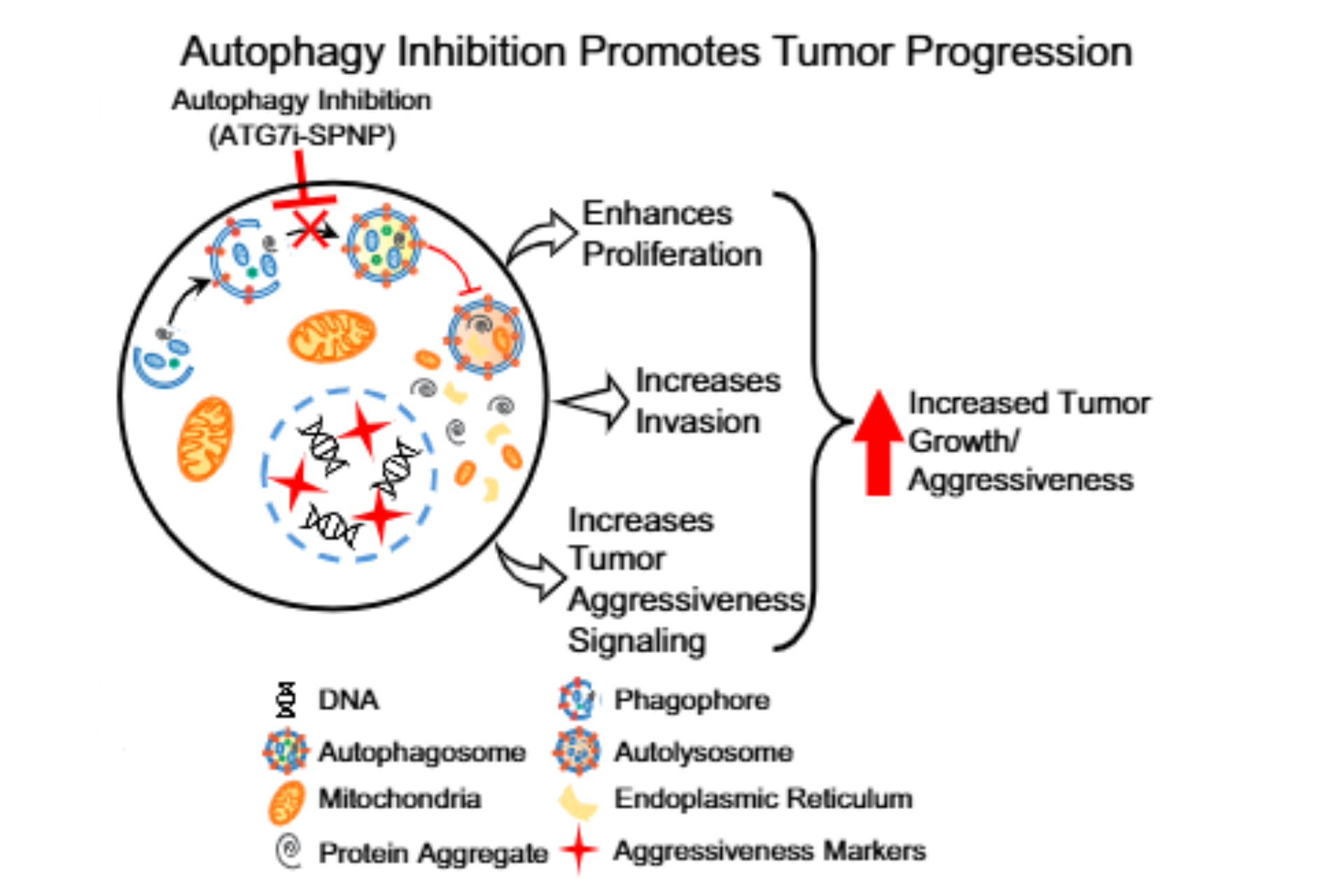
Autophagy Inhibition Sensitizes Radiotherapy Responses in High-Grade Mutant IDH1 Glioma
September 18, 2026This work uncovers autophagy as a critical pathwayfor survival in mIDH1 gliomas and its inhibition elicits radiosensitivity in vitro inhuman and mouse mIDH1 glioma cells, and in vivo in mIDH1 models.
Read Article
Accelerate Blue Foundry
September 16, 2026Calling all entrepreneurs! Innovation Partnerships recently announced the launch of the third cohort of the Accelerate Blue Foundry.
The A-B Foundry matches entrepreneurs with world-class technologies developed at the University of Michigan. If matched with a technology, entrepreneurs will partner with U-M inventors over five months to develop a business case and pitch for a new startup. The A-B Foundry will provide educational programming, mentorship, networking opportunities, and pitch practice to help entrepreneurs prepare.
The Accelerate Blue Fund has committed to invest at least $50,000 in each credible startup coming out of the Foundry.
Learn More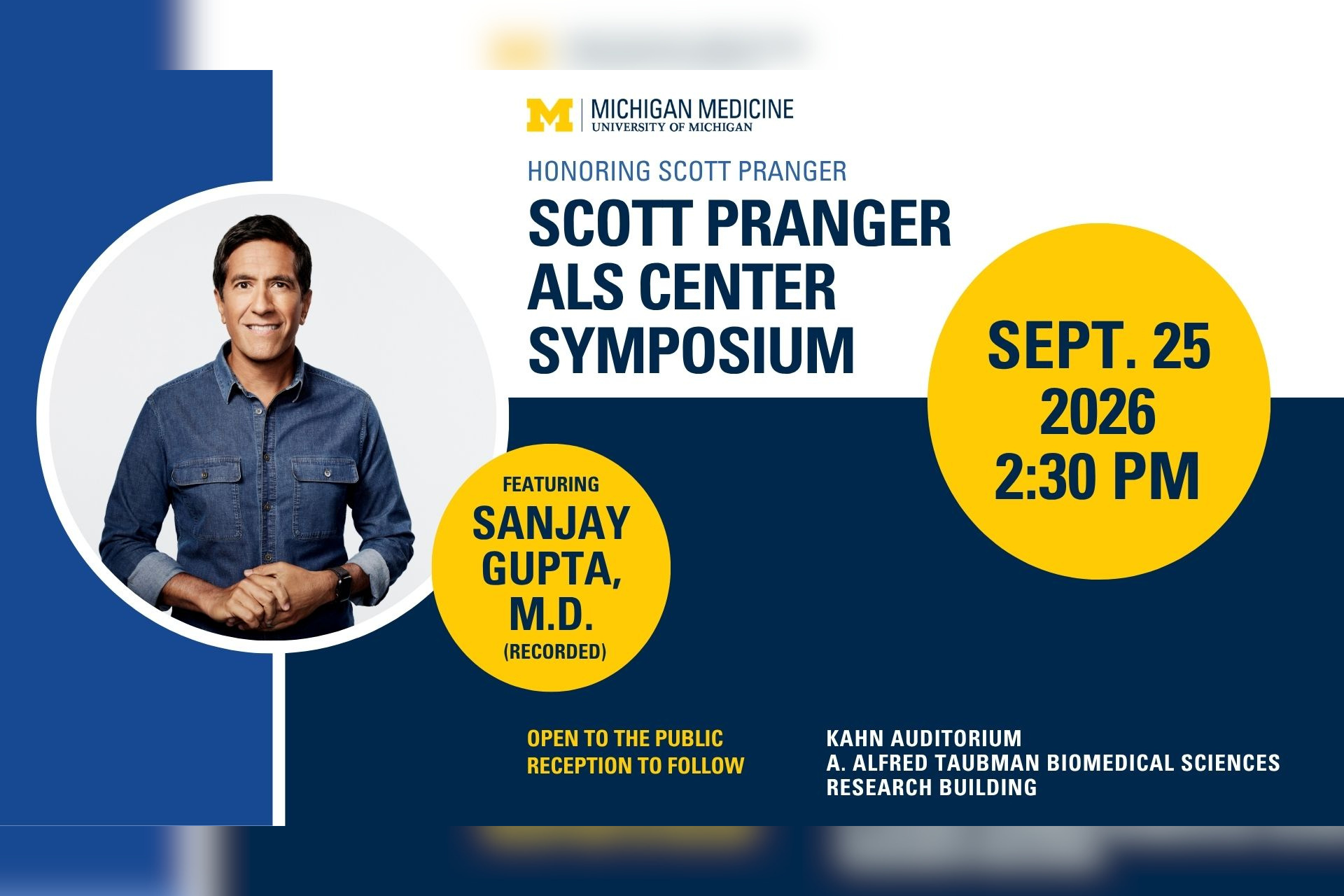
Scott Pranger ALS Center Symposium
September 10, 2026Date: Friday, September 25, 2026
Time: 2:30 PM
Location: Kahn Auditorium, A. Alfred Taubman Biomedical Sciences Research Building (BSRB)
Announcing a special symposium celebrating the naming of the Scott Pranger ALS Center!
The event will feature a recorded discussion with Sanjay Gupta, M.D., the award-winning chief medical correspondent for CNN, on pain, an often overlooked burden for those living with ALS.
Learn More
2026 Spatial Biology Symposium: From Discovery to Technology
September 1, 2026Date: Friday, October 2, 2026
Time: 9:00 AM – 5:00 PM
Location: NCRC Building 18, Dining Hall
This full-day symposium will bring together leading researchers and innovators in spatial biology, spatial omics, imaging, genomics, and computational analytics for a day of scientific presentations, networking, and collaboration with opportunities for Trainees to highlight their latest research as well!
Learn More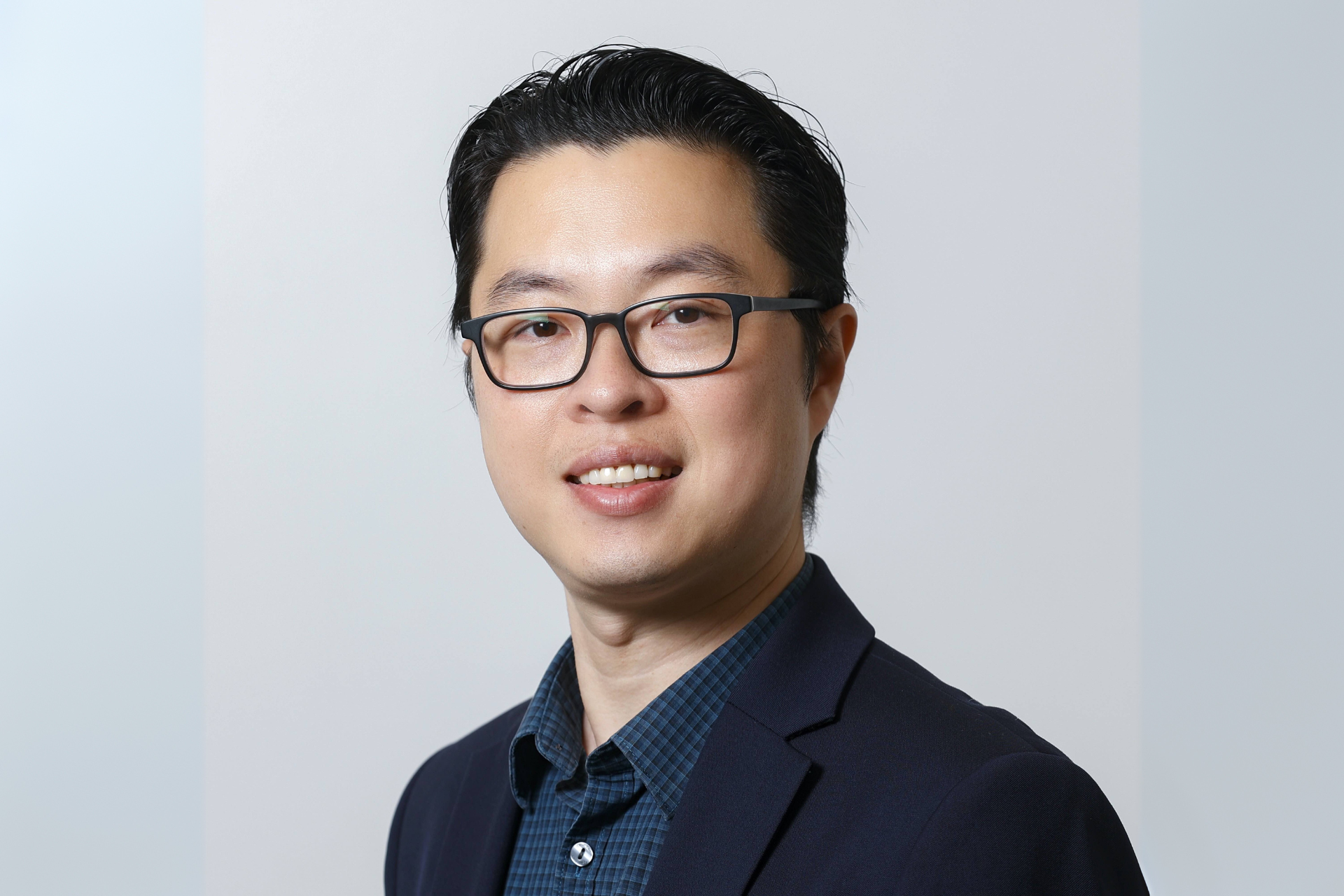
Major Research Grant From U-M’s Strategic Initiative Fund
August 27, 2026Congratulations to BI Core Faculty, Dr. Jae-Won Shin and Dr. Sunitha Nagrath, on being awarded a grant from the new Strategic Initiative Fund (SIF) from University of Michigan! This grant will be used to create the Michigan Center for Extracellular Nanomedicine (MCEN).
Read Story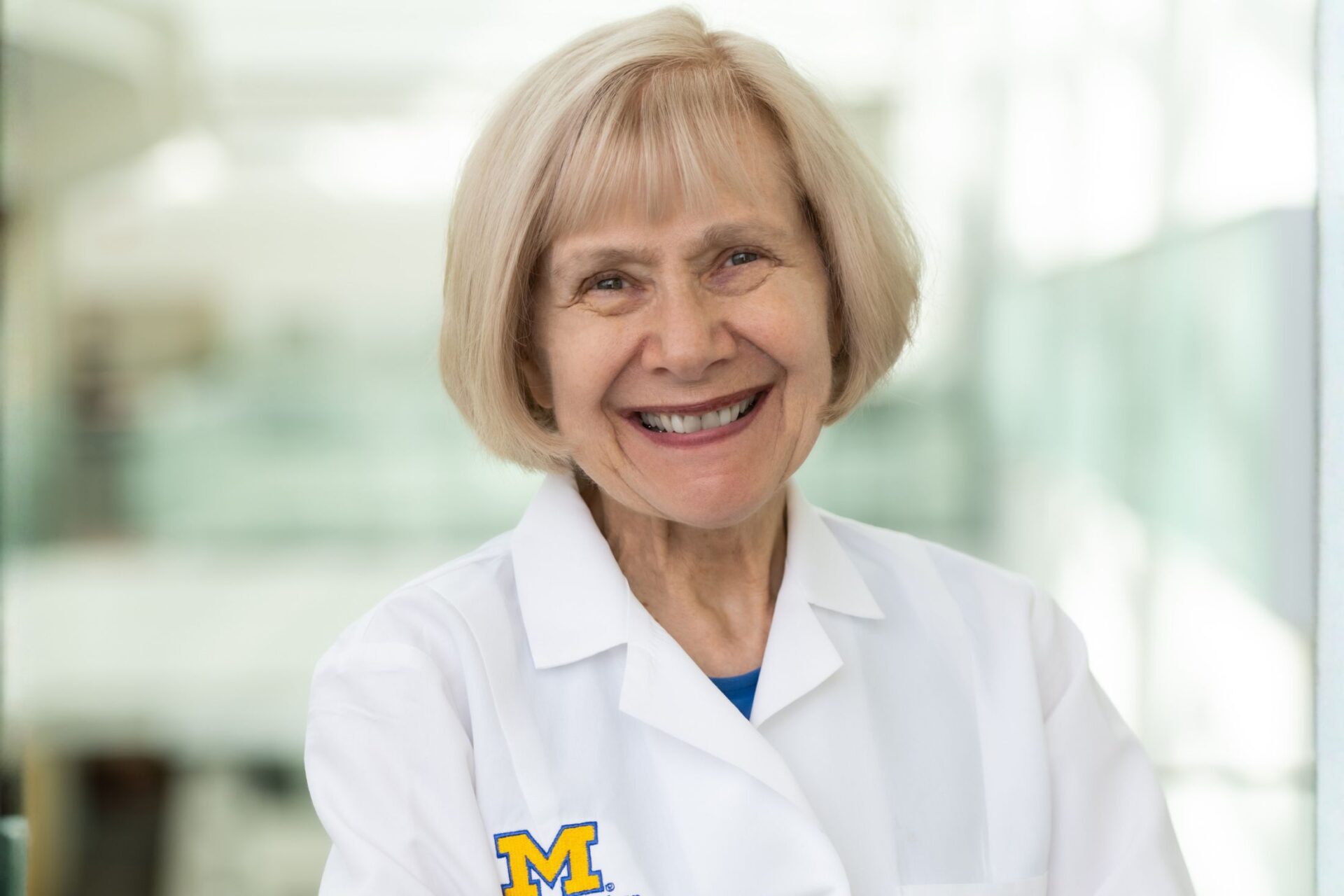
Welcome Dr. Eva Feldman!
July 28, 2026Dr. Feldman currently serves as the James W. Albers Distinguished University Professor and Russell N. DeJong Professor of Neurology. She is also Director of the NeuroNetwork for Emerging Therapies and the Scott Pranger ALS Center at Michigan Medicine.
The Feldman lab focuses on understanding the mechanisms underlying neurodegenerative and neuromuscular diseases, with particular interests in amyotrophic lateral sclerosis (ALS) and the neurological complications of metabolic dysfunction, including peripheral neuropathy and dementia. The lab also develops innovative therapeutic strategies to prevent and treat these diseases.
Learn More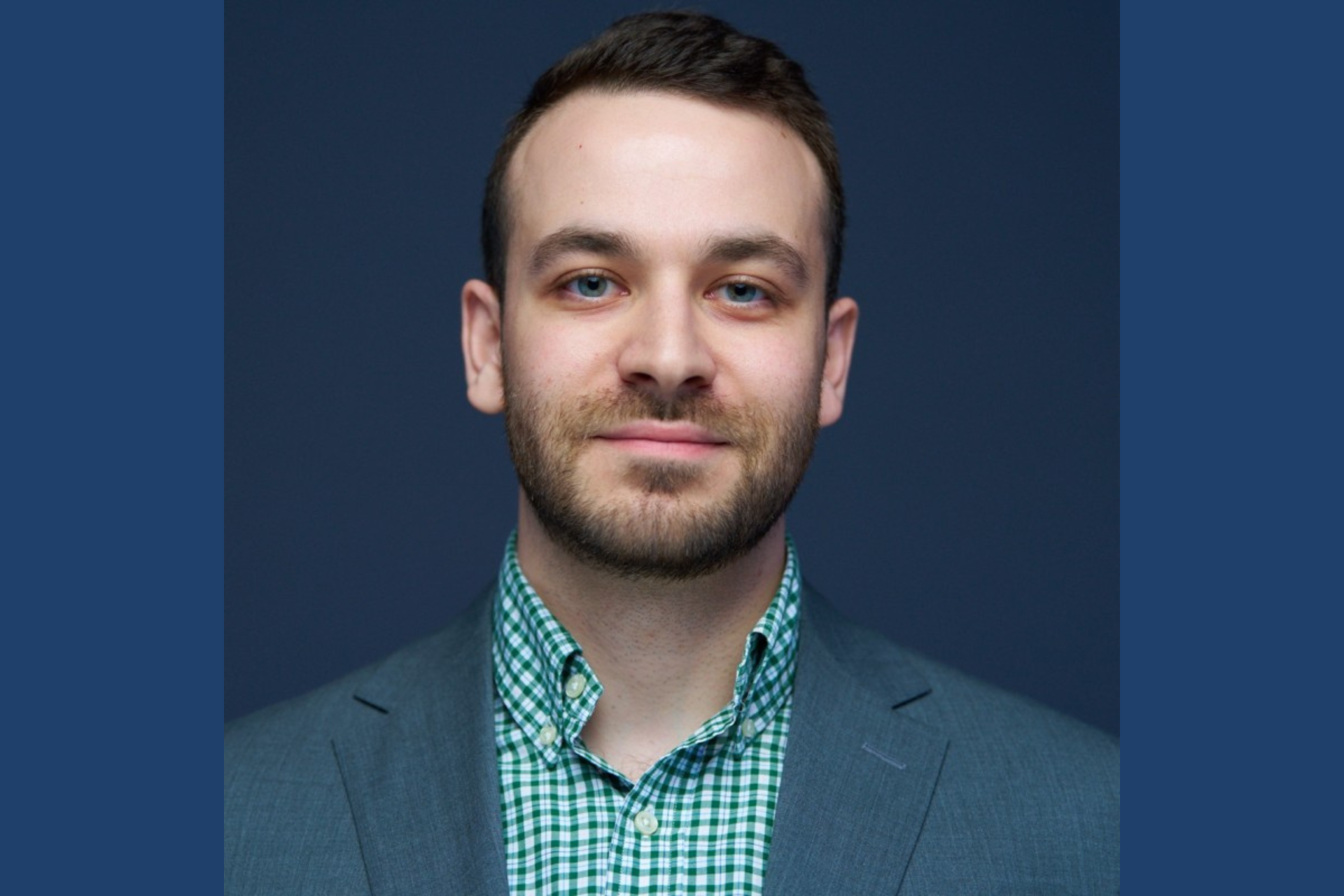
The Path from Idea to Startup: Dr. Berardi’s Journey Building Citrimer
July 16, 2026From agricultural waste to carbon-negative chemicals, Dr. Anthony Berardi’s journey with Citrimer highlights how resourcefulness and persistence can help move an idea from concept to startup.
Read Story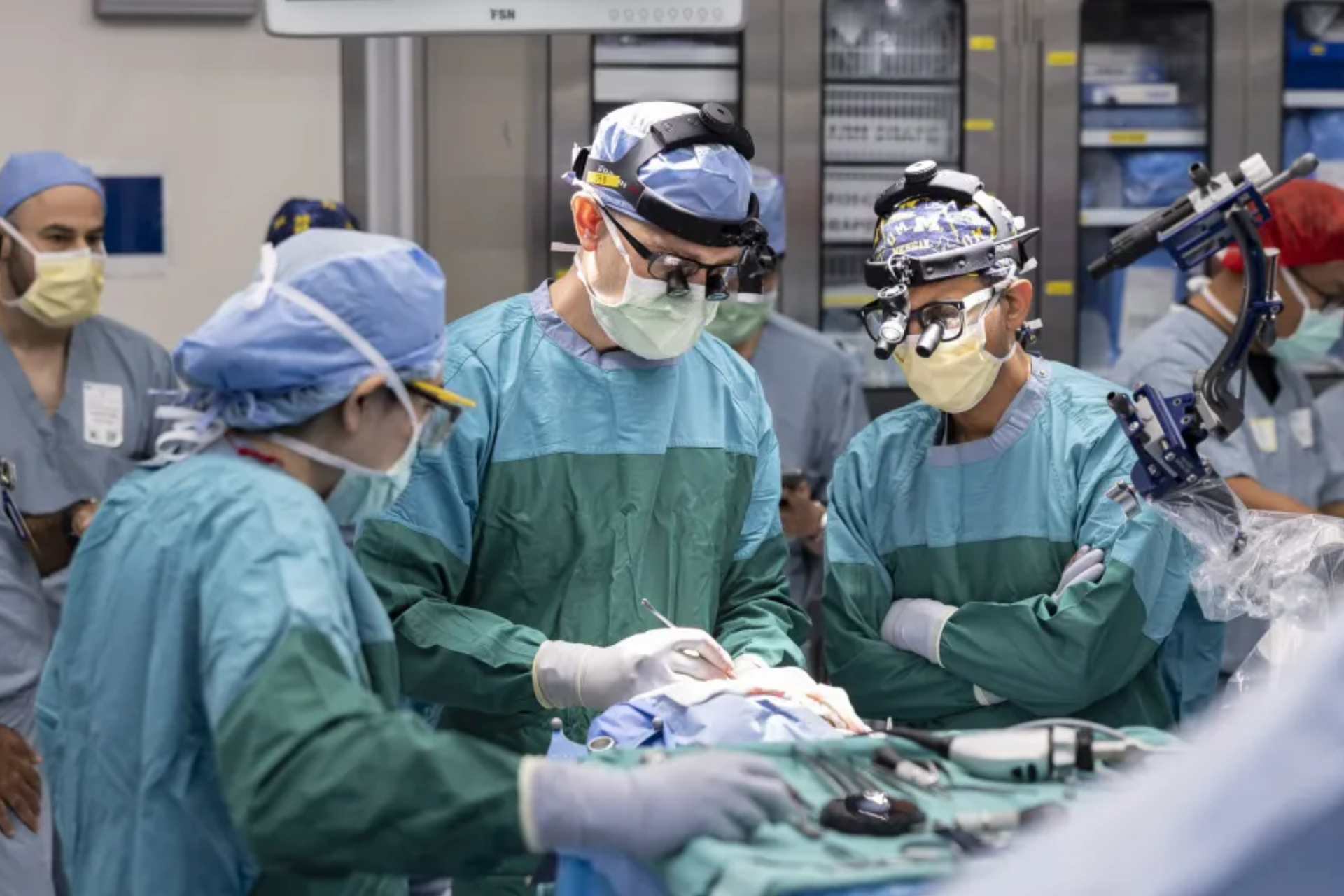
Neurosurgeons at University of Michigan Health Completed the First Implantation of a Paradromics Wireless Brain-Computer Interface (BCI)
June 17, 2026Dr. Matthew Willsey, who led the surgery, said the research could represent an important step toward improving communication options for people with paralysis who have limited effective treatment options.
Read Story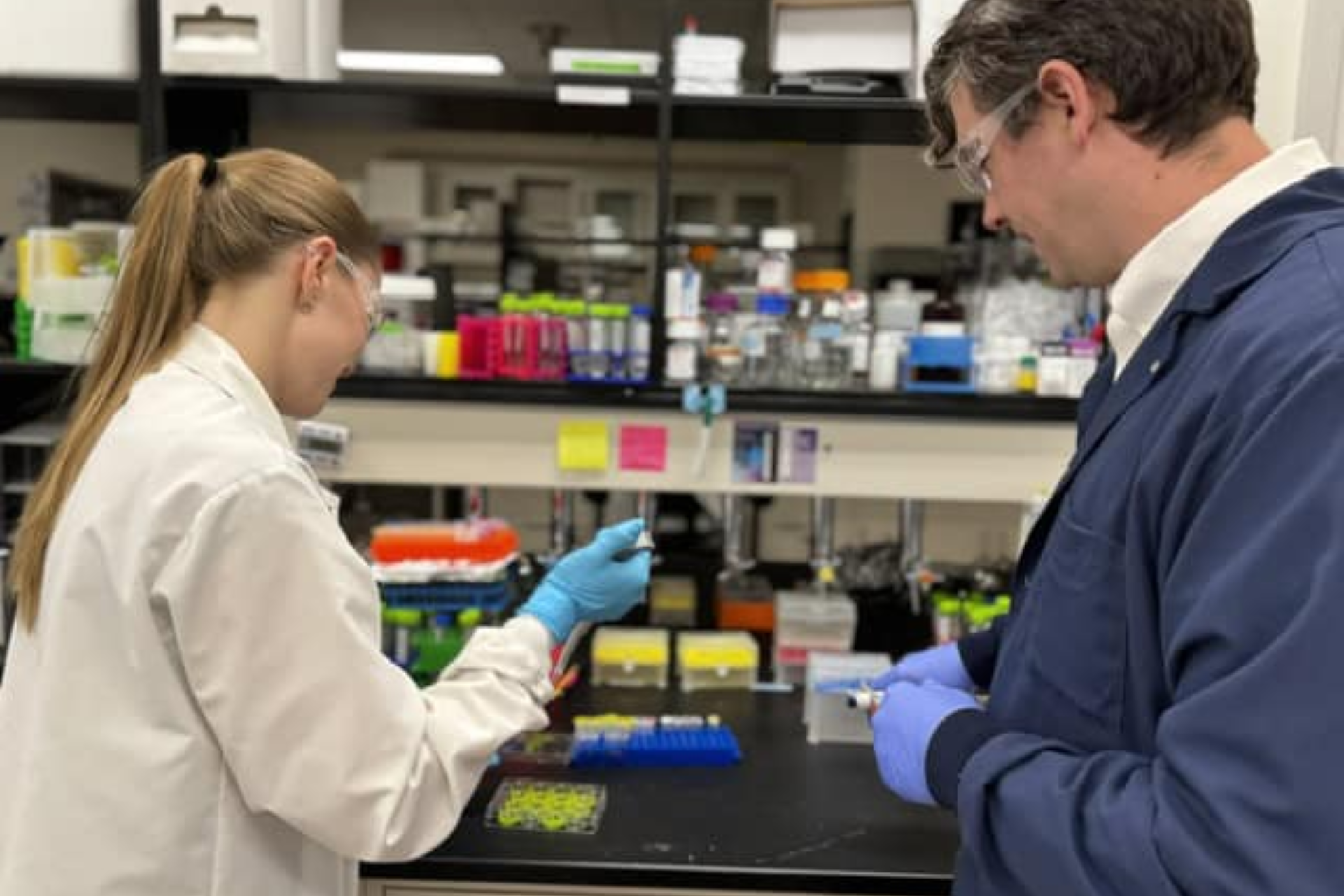
$2.5M NIH Grant Supports U-M Research on Immune Cell Tracking and Autoimmune Disease
June 15, 2026The National Institutes of Health (NIH) has awarded a five-year grant expected to total approximately $2.5 million to U-M researchers, with an aim to engineer precision biomaterials to track, recruit, and study specialized immune cells. The project is a collaborative effort featuring Aaron Morris, Assistant Professor, Biomedical Engineering, and co-investigator James Moon, the J.G. Searle Professor of Pharmaceutical Sciences in the College of Pharmacy, and Professor, Biomedical Engineering and Chemical Engineering in the College of Engineering.
Read Story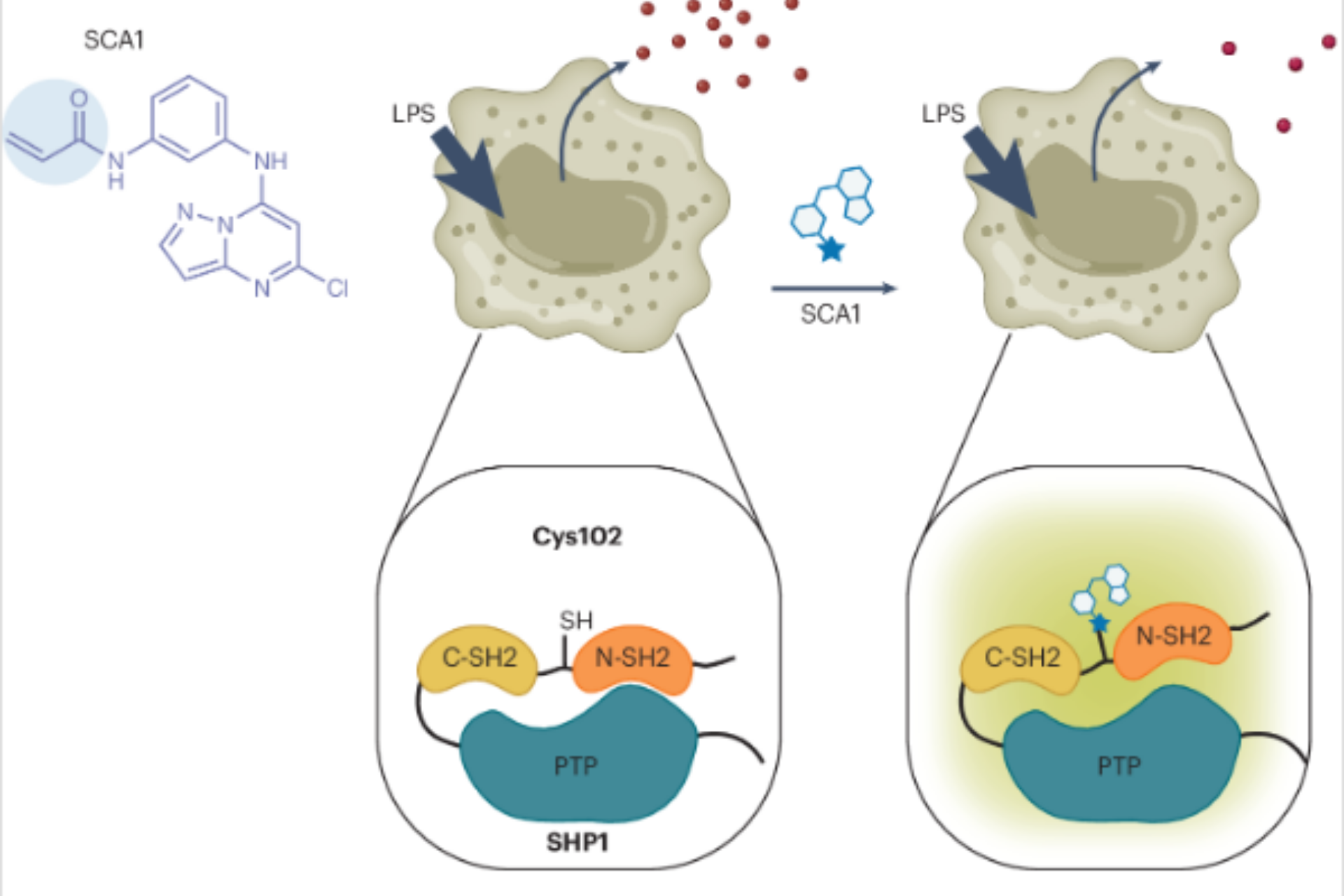
Drugging the redox-regulated immunoproteome
June 3, 2026Immune-relevant proteins are important drug targets, and many are redox-regulated. A chemoproteomics-driven annotation of redox-regulated immune-relevant proteins and ligand discovery effort led to the development of covalent allosteric modulators targeting a redox-sensitive cysteine in SHP1, a protein tyrosine phosphatase that negatively regulates immune signaling.
Read Story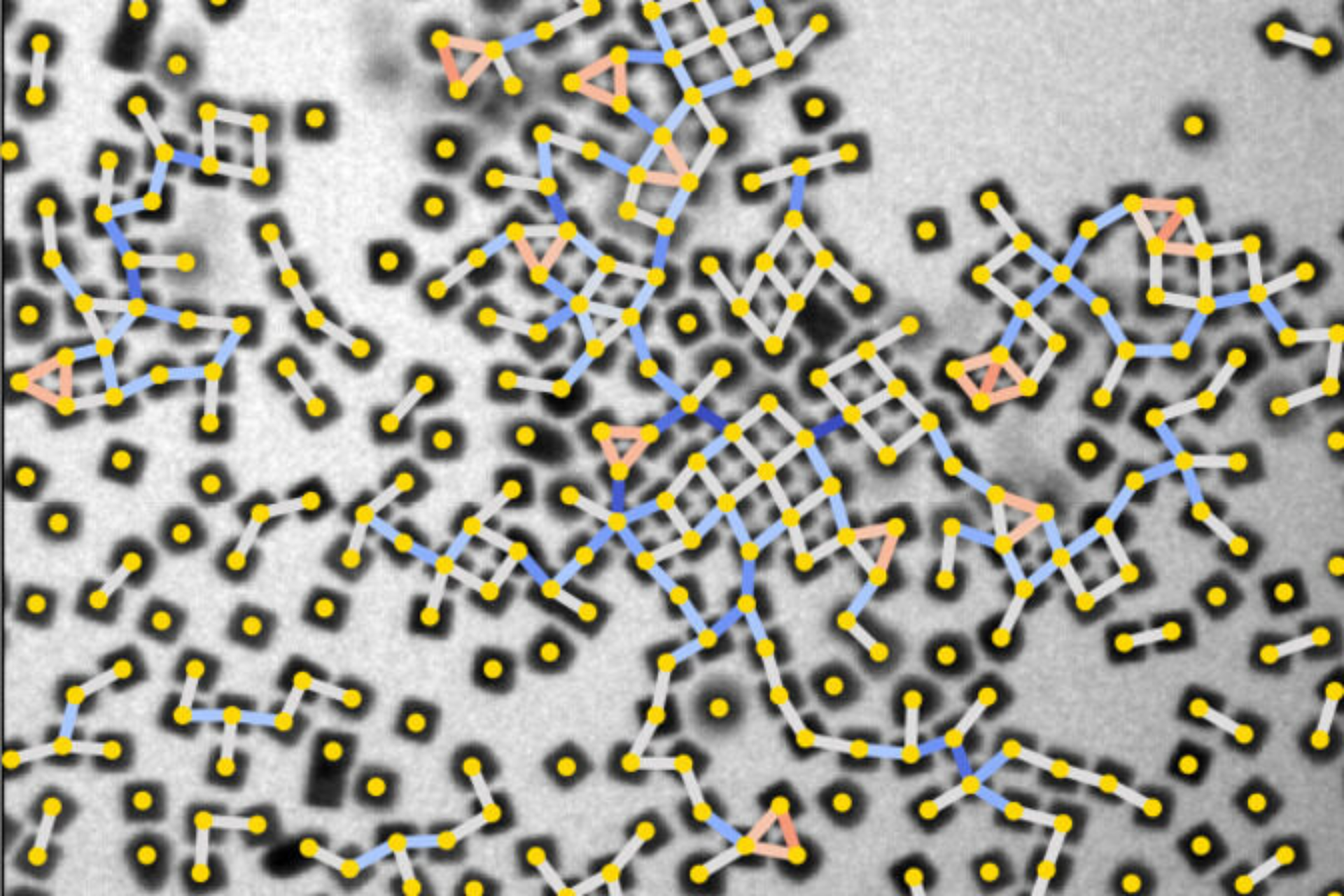
Complexity isn’t subjective. The right amount results in new nanomaterial properties
May 21, 2026Nanomaterials can manifest new material properties when clusters of nanoparticle crystals are connected by more randomly distributed particles. In many nanoparticle systems, graph theory offers a framework to quantify and tune complexity, defined as the mix of order and randomness. The findings bring University of Michigan Engineering’s Center for Complex Particle Systems closer to its goal of designing bio-inspired materials with properties rarely, if ever, seen in nature.
Read Story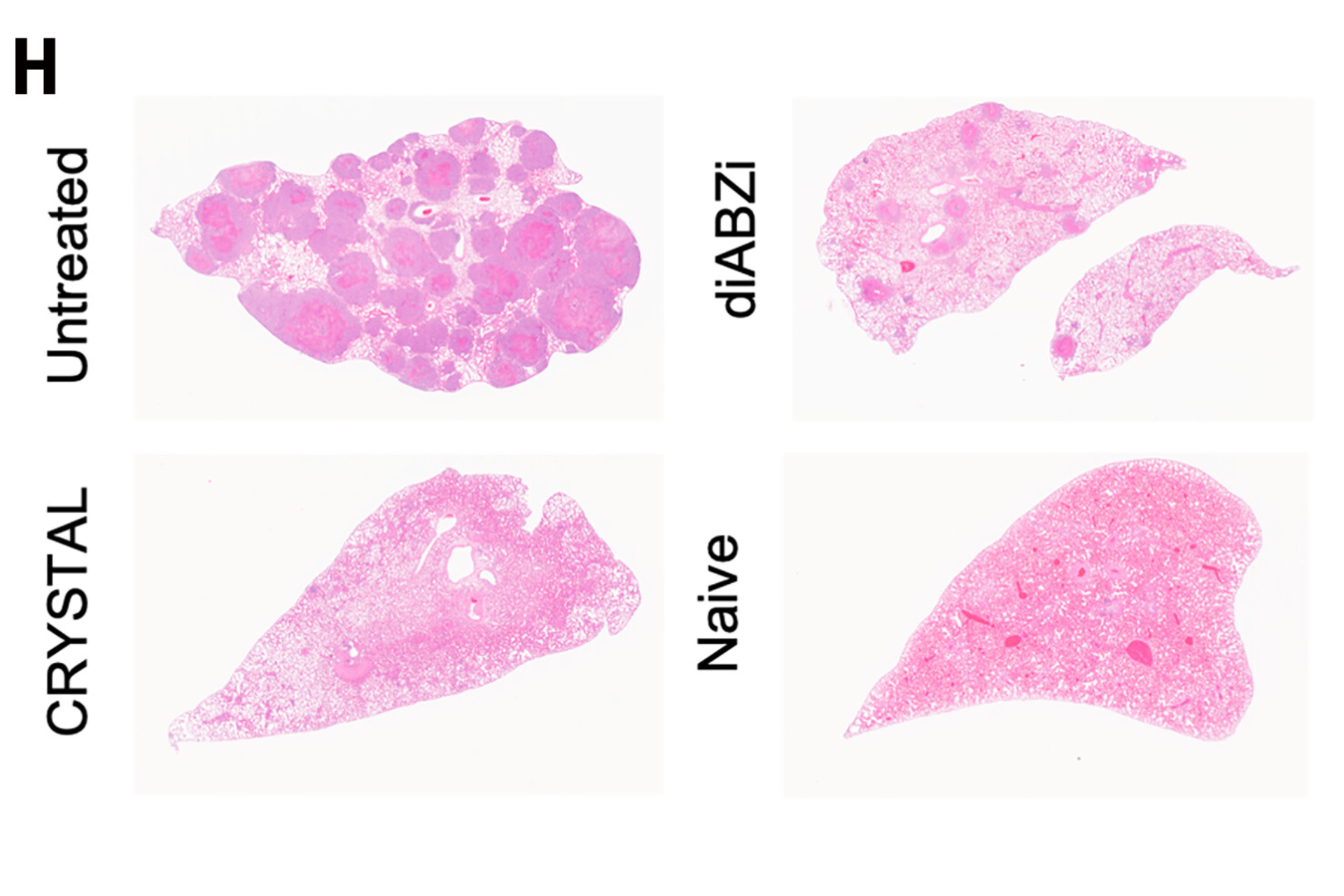
CRYSTAL activated interferon responses in human head and neck squamous cell carcinoma biopsies, underscoring its translational potential for cancer immunotherapy
May 7, 2026At an ultralow intravenous dose (0.003 milligrams per kilogram), CRYSTAL activated STING in mice, dogs, and nonhuman primates without cytokine release syndrome. CRYSTAL induced robust tumor regression in advanced murine and rabbit models, remodeled immunosuppressive environments, and promoted host STING–dependent CD8+ T cell priming. CRYSTAL activated interferon responses in human head and neck squamous cell carcinoma biopsies, underscoring its translational potential for cancer immunotherapy.
Read Story