
Advanced Materials and Drug Delivery
The Advanced Materials and Drug Delivery Cluster Area seeks to create and apply cutting-edge biomaterials for high-impact biomedical applications and to create paradigm-changing approaches and systems for advanced drug delivery.
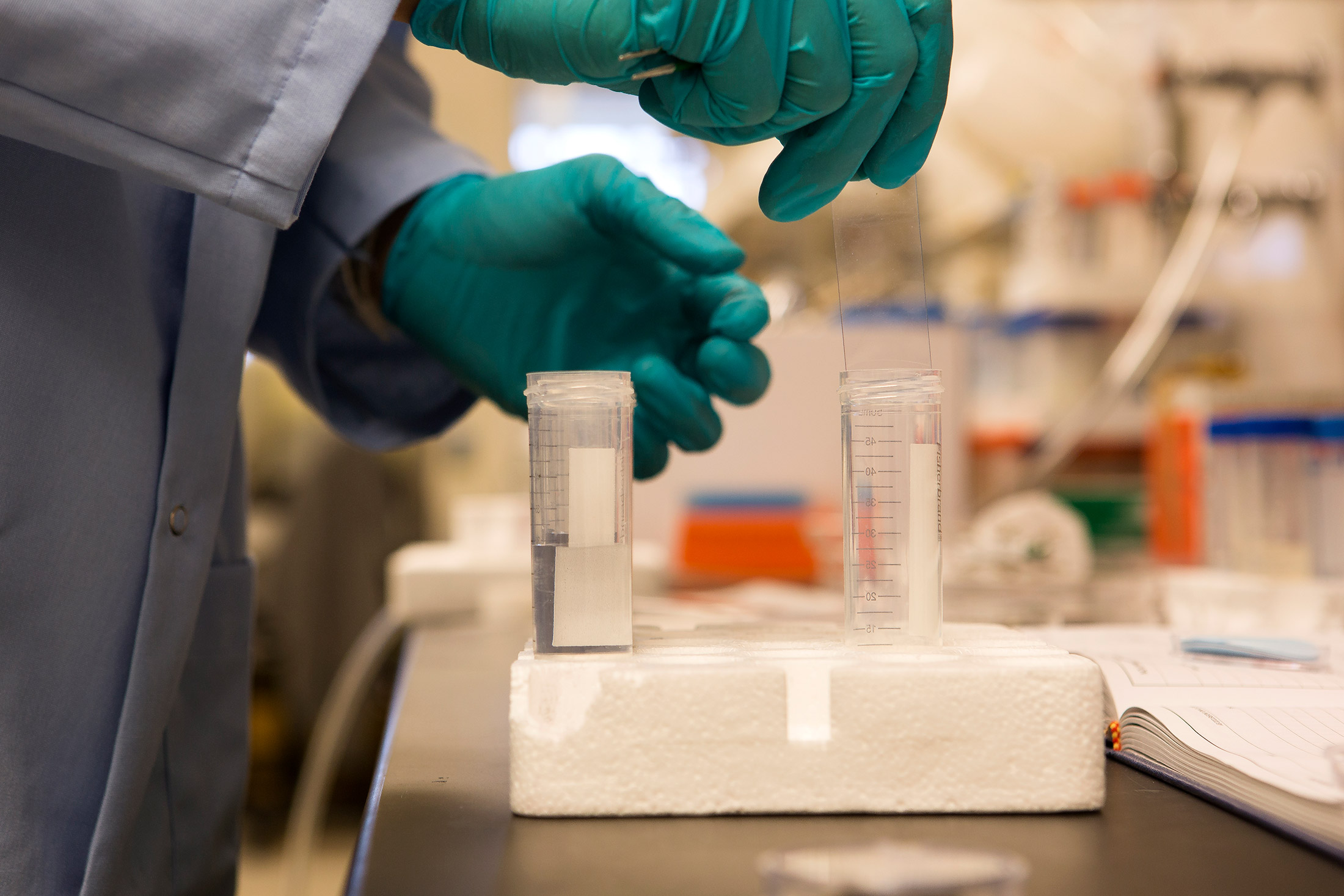
Novel biomaterials are created to solve critical issues of the field: guide tissue regeneration, design highly selective, robust and biocompatible sensors, and alter surface chemistry to improve tissue/device interfaces. Likewise, we thrive to deliver difficult drugs (proteins, peptides, siRNA, insoluble anticancer drugs, vaccine antigens) in a targeted manner and to hard-to- reach places (cancer cells, brain, eye, lymph nodes) for prolonged periods of time (controlled release) in order to maximize therapeutic efficacy.
Our efforts in biomaterials include designing novel polymer-protein and polymer lipid composites for sensing of influenza virus, prostate cancer antigen and antibiotics. Surface engineering of biomaterials can lead to creation of non-wettable surfaces to control protein and cell adhesion, stem cell culture and differentiation. We blend and modify biocompatible polymers to improve mucoadhesion and stability of entrapped drug molecules. We cross-link phospholipid bilayers and develop lipid-peptide complexes to alter cell processing of biomaterials. We collectively contributed to an extensive toolbox of drug delivery platforms such as mucoadhesive gels, biodegradable implants, multicompartmental polymer nanoparticles, cross-linked liposomes for antigen delivery, and lipoprotein nanodisks. These platform technologies deliver a wide range of drug molecules and vaccine antigens with a focus on large molecule stability and delivery.
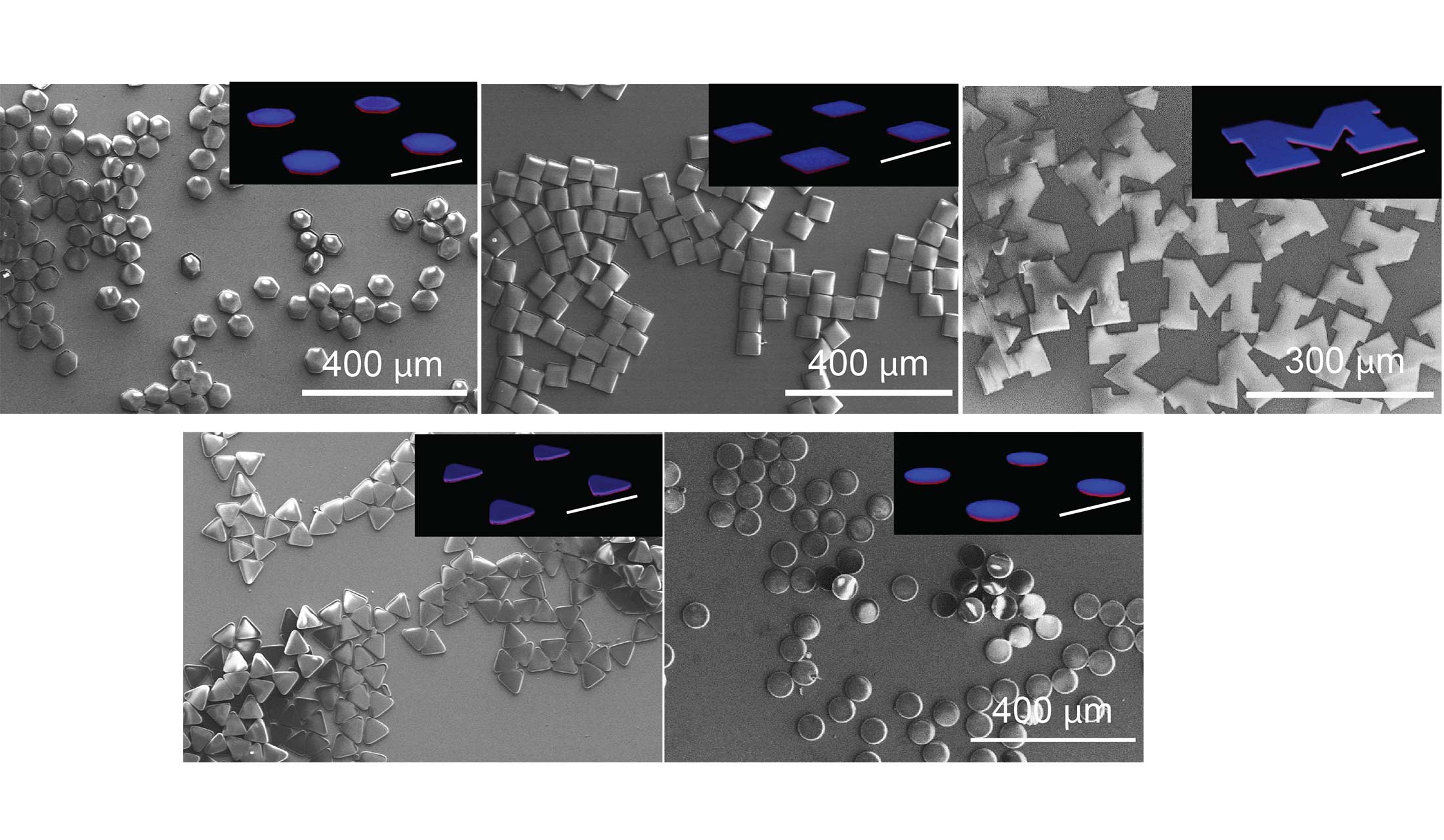
Multi-phasic particles of different shapes can be manufactured with precise control over particles geometry by the Wettability Engendered Templated Self-assembly (WETS) method.
Related Press Releases & Articles
Our Advanced Materials and Drug Delivery Researchers
Advanced Materials and Drug Delivery Technology
BioInnovations in Brain Cancer
Learn MoreCell and Tissue Engineering
Learn MoreNanotechnology
Learn MoreNeural Engineering
Learn MoreSingle Cell Technologies
Learn More
Anish Tuteja
Professor of Materials Science and Engineering and Professor of Chemical Engineering, College of Engineering Research Focus: Advanced Materials and Drug Delivery Contact Information:[email protected]The Tuteja Group research is in surface science, including developing super-omniphobic surfaces (surfaces on which liquids bead up and roll- off). They have developed a novel technique to fabricate nano- and micro- particles of any size, shape, or chemistry. The developed particles’ shape, size, and composition can be used to engineer bio-distribution, skin or lung uptake, intra-cellular localization, and cell response.
Thomas Truskett
Vennema Professor of Chemical Engineering and Professor of Chemical Engineering, College of Engineering Research Focus: Advanced Materials and Drug Delivery, Nanotechnology Contact Information:[email protected]The Truskett group has experience in developing electromagnetic and molecular simulation tools to model nanoscale structuring, dynamics, and scattering in colloidal and biomolecular systems. They collaborate extensively with experimental groups and have previously used our methods to help interpret small-angle X-ray scattering (SAXS) and static/dynamic light scattering experiments of concentrated solutions of therapeutic monoclonal antibodies (mAbs) and small interfering RNAs (siRNAs). They also have employed these methods and related approaches together with electron and confocal microscopy, atomic force microscopy, and related techniques to help design and characterize biodegradable gold nanoclusters and antibody-conjugated polymersomes with encapsulated indocyanine green J (ICGJ) aggregates for molecular photoacoustic breast and ovarian cell cancer imaging.
Eva Feldman
James W Albers Distinguished University Professor of Neurology, Russell N DeJong Professor of Neurology, Professor of Neurology, Professor of Neurosurgery and Section Head, Co-Division Chief Neuromuscular, Medical School Research Focus: Advanced Materials and Drug Delivery, Single Cell Technologies, Neural Engineering, Cell and Tissue Engineering Contact Information:[email protected]The Feldman lab focuses on understanding the mechanisms underlying neurodegenerative and neuromuscular diseases, with particular interests in amyotrophic lateral sclerosis (ALS) and the neurological complications of metabolic dysfunction, including peripheral neuropathy and dementia. The lab also develops innovative therapeutic strategies to prevent and treat these diseases.
Jinsang Kim
Raoul Kopelman Collegiate Professor of Science and Engineering, Professor of Materials Science and Engineering, Professor of Macromolecular Science and Engineering, College of Engineering and Professor of Chemistry, College of Literature, Science, and the Arts Research Focus: Advanced Materials and Drug Delivery Contact Information:[email protected]Kim’s Smart Functional Polymer Lab explores functional polymeric materials and their nanostructural assembly to develop advanced polymeric objects. The research focuses on the rational molecular design, chemical and/or biological synthesis, and molecular assembly of functional polymers.
Steven Schwendeman
Ara G Paul Professor of Pharmaceutical Sciences, Professor of Pharmaceutical Sciences, College of Pharmacy and Professor of Biomedical Engineering, Medical School and College of Engineering Research Focus: BioInnovations in Brain Cancer, Advanced Materials and Drug Delivery Contact Information:[email protected]The Schwendeman Group develops advanced polymer-based controlled drug delivery approaches including vaccine delivery from poly(lactic-co-glycolic acid) (PLGA); PLGA nanoparticle formulation; and development of mucoadhesive polymers/formulations for intraoral and intranasal delivery.
Peter Tessier
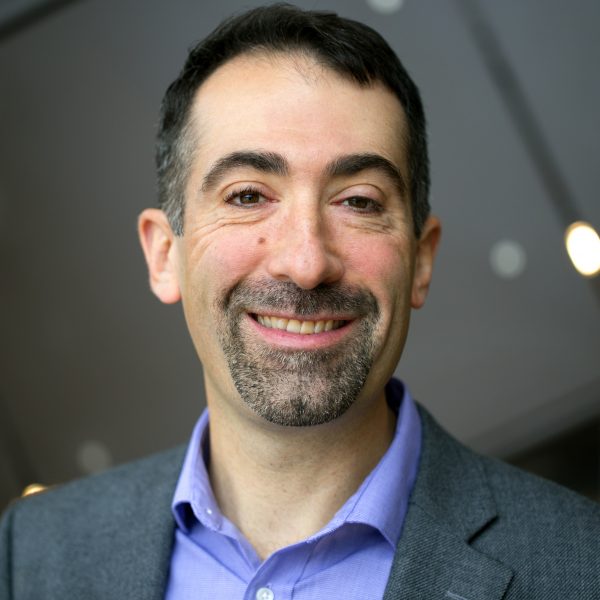
Albert M Mattocks Professor of Pharmacy, Professor of Pharmaceutical Sciences, College of Pharmacy and Professor of Chemical Engineering, College of Engineering Research Focus: Nanotechnology, Advanced Materials and Drug Delivery, BioInnovations in Brain Cancer Contact Information:[email protected]The Tessier lab aims to develop next generation technologies for designing, discovering, engineering, characterizing, formulating and delivering biologics ranging from small affinity peptides to large monoclonal antibodies for molecular imaging, diagnostic and therapeutic applications.
Joerg Lahann
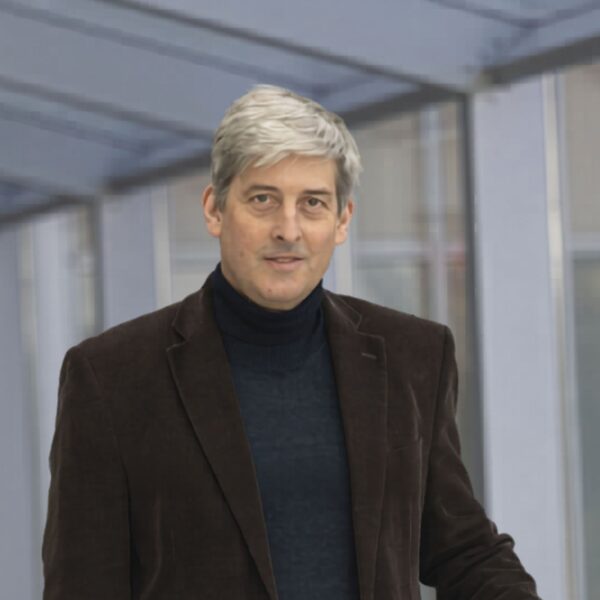
Wolfgang Pauli Collegiate Professor of Chemical Engineering, Professor of Chemical Engineering, Professor of Materials Science and Engineering, Professor of Biomedical Engineering, Professor of Macromolecular Science and Engineering and Academic Program Director, Biointerfaces Institute, College of Engineering Research Focus: Advanced Materials and Drug Delivery, BioInnovations in Brain Cancer, Single Cell Technologies Contact Information:[email protected]Research in the Lahann Lab focuses on surface engineering, advanced polymers, biomimetic materials, engineered stem cell microenvironments, drug delivery, and nano-scale self-assembly.
Jae-Won Shin
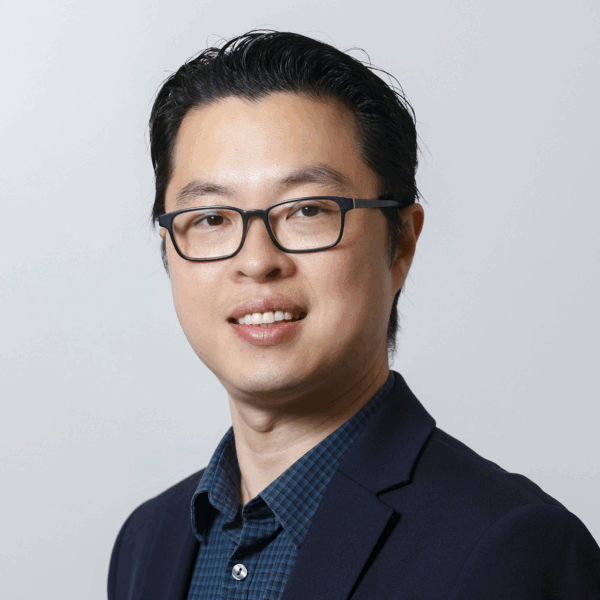
Associate Professor of Dentistry, Department of Biologic and Materials Science, School of Dentistry, Associate Professor of Biomedical Engineering, College of Engineering and Medical School, Associate Professor of Materials Science and Engineering and Associate Professor of Macromolecular Science and Engineering, College of Engineering Research Focus: Single Cell Technologies, Advanced Materials and Drug Delivery, Cell and Tissue Engineering, Nanotechnology Contact Information:[email protected]The Shin lab is dedicated to advancing regenerative medicine by elucidating how cells construct and remodel their microenvironments in both health and disease. They focus on precisely directing donor cells and modulating host tissue responses to promote effective repair of injury, degeneration, and fibrosis—conditions responsible for nearly half of all deaths in developed countries. Through multidisciplinary approaches that integrate biomaterial engineering, microtechnology, and physical biology, they design instructive cellular niches at the single cell level, guide host tissue remodeling, and investigate the roles of extracellular vesicles and particles in regulating regeneration. Their research centers on vital organs, including bone marrow, bone, craniofacial structures, vasculature, and lungs, aiming to translate fundamental insights into innovative therapies that restore tissue function and improve patient outcomes.
Jouha Min
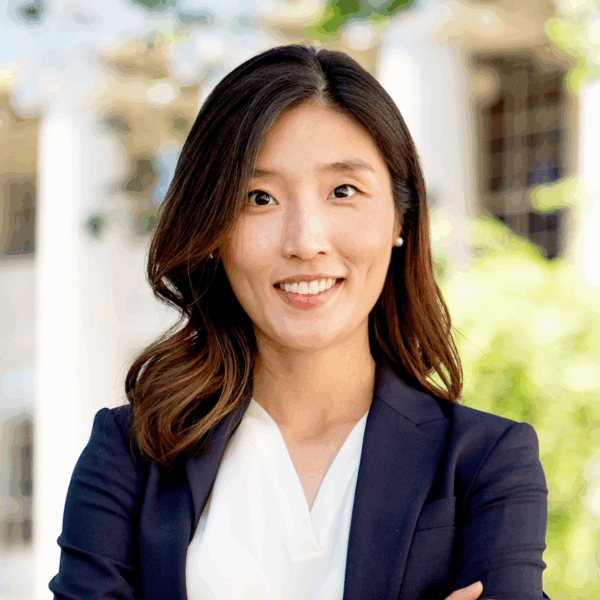
Assistant Professor of Chemical Engineering, College of Engineering Research Focus: Cell and Tissue Engineering, Advanced Materials and Drug Delivery, BioInnovations in Brain Cancer, Nanotechnology Contact Information:[email protected]The Min lab focuses on developing and implementing general methodologies to study complex material-biology interactions in both 3D space and time, in diverse contexts, laying the scientific foundation for transformative advances in disease diagnosis, treatment, and prevention. Their research encompasses a broad range of biomedical topics, such as cancer, sepsis, traumatic brain injury, tissue damage/repair, pathogenic infections, and immune engineering.
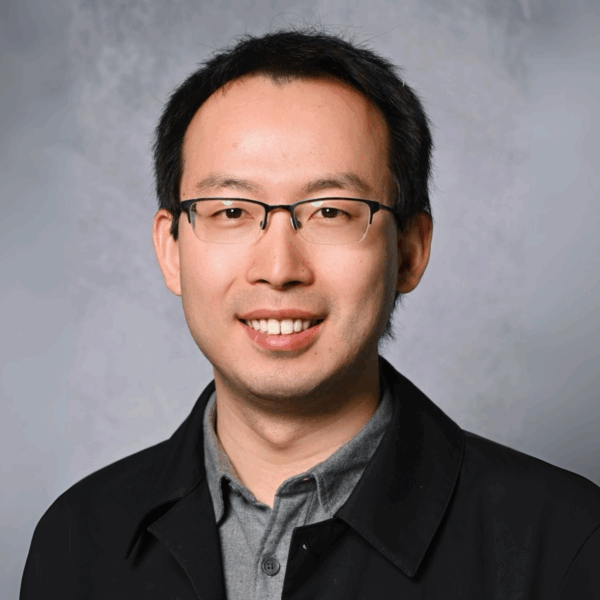
Albert Liu
Assistant Professor of Chemical Engineering and Assistant Professor of Macromolecular Science and Engineering, College of Engineering Research Focus: Cell and Tissue Engineering, Nanotechnology, Advanced Materials and Drug Delivery Contact Information:[email protected]Biological systems are constructed with temporal dynamics as well as long-range spatial hierarchy that spans many orders of magnitude, affording control checkpoints not only at the molecular and nanometer levels (e.g., protein and organelle), but also on the micrometer scale (e.g., cell).
The Liu lab, the Laboratory of Emergent and Galvanically Orchestrated Systems (LEGOS), aims to leverage expertise in and insights from colloidal and interfacial science and engineering to construct next-generation active and hierarchical artificial materials.
Their research program, positioned at the intersection of nano-structured materials synthesis, micro-fabrication, and interfacial engineering, aims to bridge this knowledge gap by exploring the role of micro-confinement in governing nanoscale transport processes and integrating these insights to engineer complex material systems with augmented properties.
By laying the foundation towards this new degree of materials control, their work introduces a new paradigm of active and hierarchical materials and enables emerging technologies in robotics, sustainability, and healthcare.
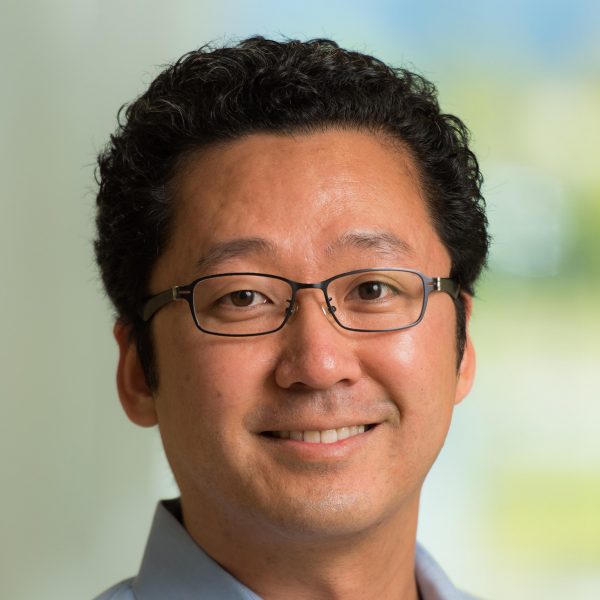
James Moon
J G Searle Professor, Professor of Pharmaceutical Sciences, Chair, Department of Pharmaceutical Sciences, College of Pharmacy and Professor of Biomedical Engineering, Medical School and College of Engineering Research Focus: BioInnovations in Brain Cancer, Advanced Materials and Drug Delivery Contact Information:[email protected]The Moon Group develops therapeutics and diagnostics at the interface of immunology and engineering. Research addresses drug delivery systems for enhancing delivery of antigen and adjuvant to lymphoid organs and manipulating immune functions in the context of cancer, infectious diseases, and autoimmunity.